Corydalis ambigua
Corydalis ambigua
Description
Corydalis ambigua is a perennial herbaceous plant belonging to the Papaveraceae family. It is a classic spring ephemeral that completes its life cycle shortly after snowmelt. The plant features a globular tuber, which acts as a storage organ, allowing it to rapidly produce foliage and flowers in the harsh environments of early spring.
The plant originates from the Far East, specifically regions spanning Russia, Japan, and China. Its natural habitat includes shaded forests, mountain slopes, and meadows where the soil is rich in organic matter. Over centuries, the species has adapted to cold climates, making it resilient in regions with distinct seasonal changes and long, frosty winters.
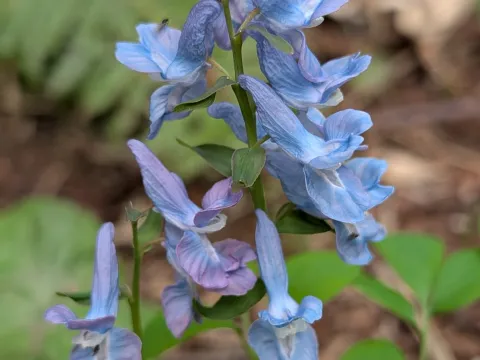
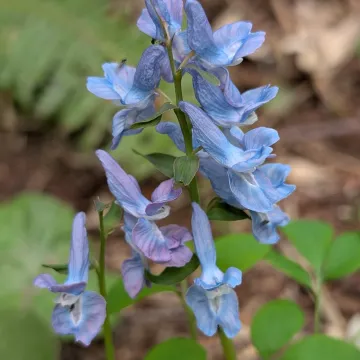
Botanically, the plant grows to a height of 20 to 30 centimeters. It possesses dissected, glaucous-green leaves and racemes of blue or purple flowers that often emit a faint scent. The fruit is a capsule that naturally sheds seeds, facilitating its spread in natural environments. The root system consists of a fleshy tuber that requires specific conditions for long-term health.
Cultivation of Corydalis ambigua requires loose, fertile, and well-drained soil with a slightly acidic to neutral pH. During its active growth phase in early spring, the plant demands consistent moisture; however, once the foliage dies back in summer, the tuber enters a period of dormancy. During this phase, it is crucial to avoid waterlogged conditions to prevent rot.
The primary economic use of this crop is in the pharmaceutical industry. The tubers are harvested for their alkaloid content, which is used in traditional and modern medicine for pain management and sedative applications. In horticulture, it is cultivated as an ornamental plant for rock gardens and early-spring borders. Pest management is focused on protecting tubers from small rodents, while agricultural health depends heavily on preventing fungal infections during the summer dormancy period.
Photo gallery