Corydalis capnoides
Corydalis capnoides
Description
Corydalis capnoides, commonly known as a type of fumewort, is a herbaceous perennial plant belonging to the Fumariaceae family. It is a highly specialized species adapted to the forest habitats of temperate regions, recognized for its distinct morphological traits and early flowering cycle that allows it to maximize resource utilization in the spring.
The plant is native to parts of Europe and Western Asia, occupying diverse habitats including woodland edges, shaded slopes, and rocky terrain. In agricultural science, while it is not categorized as a major field crop, its botanical profile makes it a subject of interest for phytochemical research and specialized ornamental horticulture where specific climate control is possible.
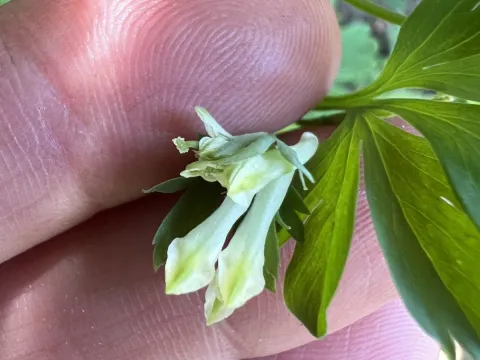
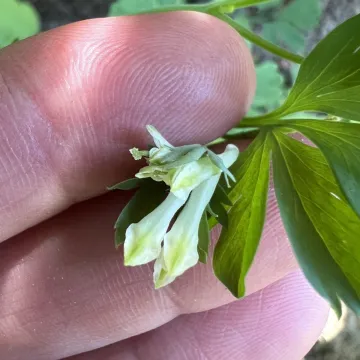
Botanically, it features finely divided, glaucous foliage and yellow, spurred flowers arranged in terminal racemes. The plant develops a tuberous root system, which serves as a primary energy reserve, supporting rapid development at the beginning of the growing season. This tuberous structure is a defining feature of its biological life cycle.
Cultivation requirements demand well-drained, humus-rich soil that mimics the forest floor conditions. Optimal agronomy involves providing partial shade, as the plant is susceptible to heat stress and excessive transpiration in full sun. Adequate moisture levels are necessary during the active growth phase, but the soil must be well-drained to prevent the tubers from rotting during dormancy.
The economic utility of the species is primarily centered around its chemical constituents, particularly alkaloids that are utilized in specialized medical applications. Furthermore, its aesthetic appeal supports a niche market in landscape design for woodland-type gardens. Potential threats include root rot due to waterlogging and common garden pests such as aphids and slugs, which may damage the tender shoots during early development.
Photo gallery