Golden corydalis
Corydalis aurea
Description
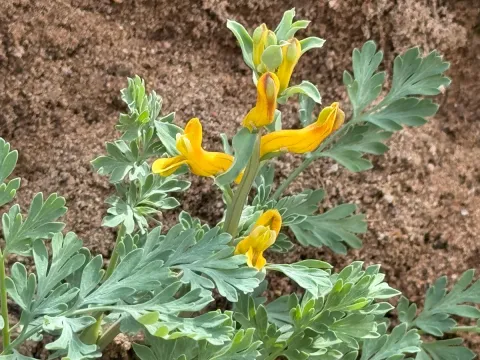
Golden corydalis (Corydalis aurea) is an herbaceous plant species belonging to the Papaveraceae family. Known for its distinct yellow blooms and delicate foliage, this plant is increasingly recognized in both ornamental horticulture and as a subject of botanical study due to its diverse alkaloid composition.
Native to North America, the species thrives across a broad geographical range, extending from subarctic regions to warmer southern zones. Its natural habitat includes open woods, rocky slopes, and disturbed soils, where it displays a high degree of resilience, effectively colonizing areas that provide adequate drainage and sufficient moisture during the active growth phase.
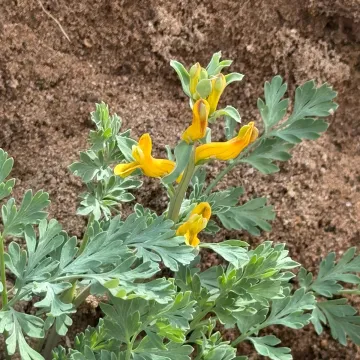
Botanically, the plant is characterized by its fern-like, glaucous leaves and golden-yellow flowers arranged in racemes. It typically exhibits a winter annual or biennial habit, completing its life cycle before the onset of extreme summer drought. The architecture of the plant is compact, making it suitable for specialized garden beds and controlled research environments.
Agronomic requirements for Corydalis aurea emphasize the need for well-drained, porous soil rich in organic matter. Successful production involves several critical practices:
- Providing partial shade to protect the plant from intense solar radiation.
- Maintaining consistent soil moisture without waterlogging, which is essential to prevent root decay.
- Employing strategic weeding to ensure that the seedling stage is not compromised by aggressive competitive species.
In terms of plant health, golden corydalis is generally robust, although it can be susceptible to fungal pathogens like powdery mildew if air circulation is insufficient. While pests such as aphids or slugs may occasionally target the foliage, proper field management and early monitoring are usually sufficient to mitigate potential yield losses in nursery or laboratory-grown populations.
Photo gallery