Giant corydalis
Corydalis gigantea
Description
Giant corydalis (Corydalis gigantea) is a herbaceous perennial belonging to the Papaveraceae family. Unlike many ornamental relatives, this species is noted for its impressive stature and distinct chemical profile, which has made it a subject of interest for both academic botanical study and specialized pharmaceutical cultivation.
The plant originates from the Far Eastern regions of Russia, particularly the islands of Sakhalin and the Kuril archipelago. It naturally thrives in moist, shaded environments, such as floodplains and forest margins. When grown under agricultural conditions, it requires a climate that provides moderate temperatures and avoids extreme heat, mimicking its native habitat.
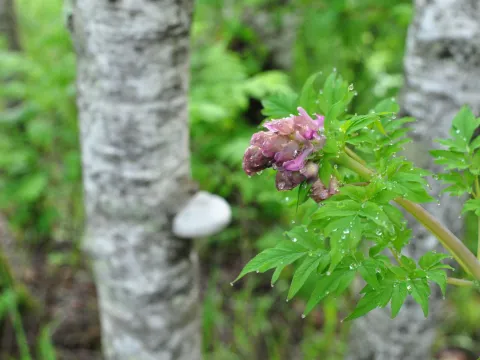
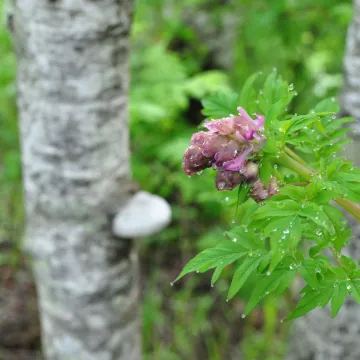
The botanical structure of the giant corydalis is quite striking. It features a robust, upright stem that can grow up to one meter in height, topped with complex, pinnately divided leaves. The flowers are arranged in dense racemes, characterized by their tubular shape and creamy-yellow hues, providing a unique architectural look to the vegetation.
Regarding agrotechnical requirements, the soil must be rich in organic matter and possess excellent drainage capabilities to prevent root decay. A site in partial shade is essential, as the foliage is prone to burning under intense sunlight. Routine care includes regular soil hydration and the maintenance of a cool root zone through organic mulching, which helps stabilize moisture levels throughout the growing season.
The primary utility of the giant corydalis lies in its production of biologically active alkaloids, which are investigated for therapeutic properties. As with most forest-floor perennials, the crop is susceptible to slug damage and aphid infestations. Disease management focuses primarily on preventing fungal infections caused by excess moisture or poor air circulation, necessitating balanced spacing between plants in professional cultivation.
Photo gallery