Issler's clubmoss
Diphasiastrum issleri
Description
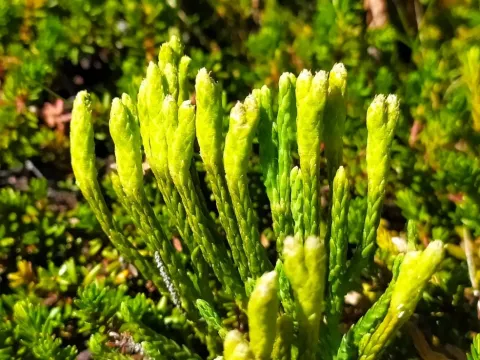
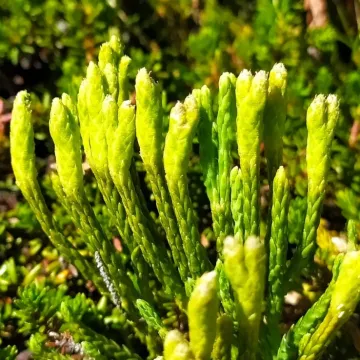
Issler's clubmoss (Diphasiastrum issleri) is a perennial spore-bearing plant belonging to the Lycopodiaceae family. This species is recognized as a natural hybrid, which significantly influences its growth patterns and ecological requirements compared to other members of the genus.
The plant originates from the temperate and sub-arctic zones of Europe. It primarily populates forest margins, moors, and heathlands. Its distribution is strictly tied to specific soil types, usually characterized by high acidity and a particular microflora that supports the development of the gametophyte stage.
Botanically, the species is distinguished by its creeping stems that form mats across the forest floor. The leaves are small, scale-like, and appressed to the stem. The reproductive strategy is complex, as it relies on spores that require specific environmental triggers to germinate and develop into mature plants, a process that is notoriously slow.
Climate and cultivation requirements include a cool, humid environment with consistent moisture levels. The plant is highly sensitive to changes in soil chemistry, particularly the application of fertilizers or herbicides, which can lead to rapid decline in population density. It thrives best in undisturbed, semi-shaded habitats.
The economic and practical utility of this plant is minimal due to its status as a rare and protected species. Conservation efforts are focused on habitat preservation. Diseases and pests include various fungal pathogens that flourish in stagnant moisture, and the species is particularly vulnerable to habitat fragmentation caused by human encroachment.
Photo gallery