Diphasiastrum kablikianum
Diphasiastrum kablikianum
Description
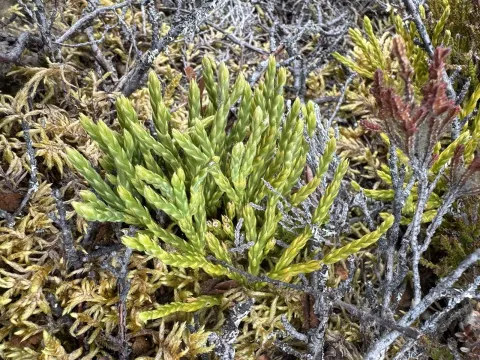
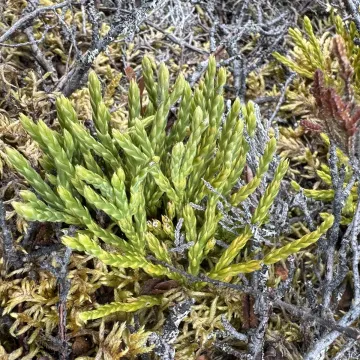
Diphasiastrum kablikianum is a perennial spore-bearing vascular plant belonging to the Lycopodiaceae family. It is recognized by botanists as a taxon of hybrid origin, specifically noted for its distinct morphology within the Diphasiastrum genus. This plant is a low-growing, evergreen shrublet that displays significant adaptation to the harsh, nutrient-poor environments of its native range.
The distribution of this species is confined primarily to the mountain ranges of Central and Eastern Europe, including the Alps and the Carpathians. It thrives in cool, high-altitude climates where humidity remains consistent throughout the growing season. While not an agricultural crop in any economic sense, the plant is a significant subject for botanical research and is often monitored within local biodiversity conservation programs.
The botany of the plant is defined by its creeping stems that form dense mats on the forest floor or rocky slopes. Its foliage consists of small, scale-like leaves arranged tightly against the stem, providing it with a characteristic appearance. Reproduction is facilitated by spores housed in strobilus structures. A critical aspect of its biology is its obligate symbiosis with mycorrhizal fungi, which are essential for nutrient absorption in the mountainous soils it inhabits.
Requirements for its growth are extremely restrictive. It favors acidic, well-drained, humus-rich substrates that are notably low in mineral salts. Attempts to cultivate this plant under standard agricultural practices would fail, as it lacks the ability to survive in fertilized or disturbed garden soil. Its reliance on specific micro-climatic conditions and fungal associates makes it an indicator of healthy, undisturbed highland ecosystems.
There are no known agricultural uses for this species, nor are there any pests or diseases that are considered managed by agricultural science. Instead, the focus remains on the preservation of its habitat. Any degradation of the environment, such as soil compaction or pollution, drastically reduces the survival rate of the colonies. Protection of these natural sites is the only way to ensure the long-term existence of this rare lycopod species.
Photo gallery