
Chinese water chestnut
Eleocharis dulcis
Description
The Chinese water chestnut (Eleocharis dulcis) is a perennial aquatic plant belonging to the Cyperaceae family. It is widely cultivated for its edible corms, which are highly prized for their crunchy, sweet flesh. Unlike many other vegetables, these corms retain their firm texture even after extensive cooking, making them a staple in many culinary traditions.
Native to tropical and subtropical regions of Asia, the plant thrives in marshes, lakes, and wetland environments. Historically, its cultivation has been concentrated in countries like China, Vietnam, and Thailand. Due to its adaptability to flooded conditions, it is often successfully integrated into rice-based agricultural systems, rotating effectively with other crops in wetland paddies.
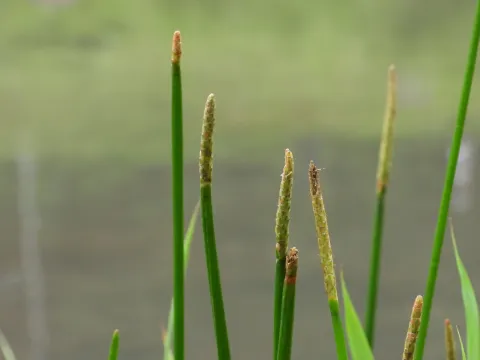
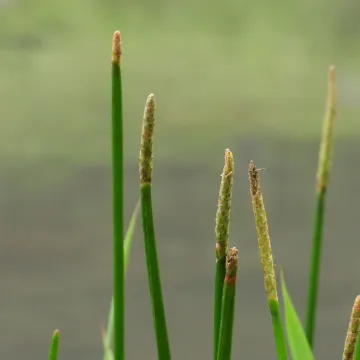
Botanically, Eleocharis dulcis features slender, leafless stems that grow in dense clumps. The harvestable part is the underground corm, which develops at the ends of stolons. These corms typically have a dark, near-black skin and a crisp, white, starchy interior. The plant's root system is specifically evolved to function in low-oxygen, water-saturated soils.
Agricultural success requires a long, frost-free growing season of at least 200 days and constant high temperatures. Fields are prepared by puddling the soil to create a stable, nutrient-rich muddy substrate. Water depth management is critical throughout the cycle, with fields eventually being drained toward the end of the season to allow for mechanized or manual harvesting of the corms.
- Requires nutrient-rich, heavy clay or silt soils.
- Sensitive to low temperatures and frost.
- Susceptible to stem rot and certain fungal pathogens in stagnant water.
The main commercial application is in the food industry, ranging from fresh sales to canning and processing as a specialty ingredient. Beyond its culinary value, the plant can be managed in integrated farming systems. Farmers must remain vigilant against pests like corm-boring insects and fungal diseases that affect stems; regular field inspection and maintenance of water quality are essential for securing a high-quality yield.
Photo gallery