Description
Pale spikerush (Eleocharis flavescens) is a perennial herbaceous plant belonging to the sedge family (Cyperaceae). Known for its resilience in aquatic environments, this species acts as a critical component in wetland ecosystems. It is increasingly recognized in agronomy and environmental engineering for its ability to thrive in saturated soil conditions where typical crops would fail.
The plant is native to tropical and subtropical regions of the Americas, flourishing in diverse habitats such as river margins, marshes, and periodically flooded meadows. Its natural range reflects a preference for warm climates and stable moisture levels. While primarily a wild species, its adaptability allows for targeted cultivation in managed wetlands and restoration projects.
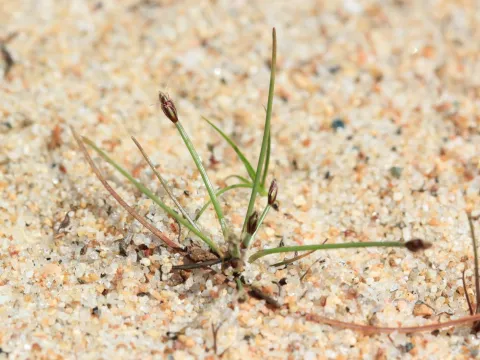
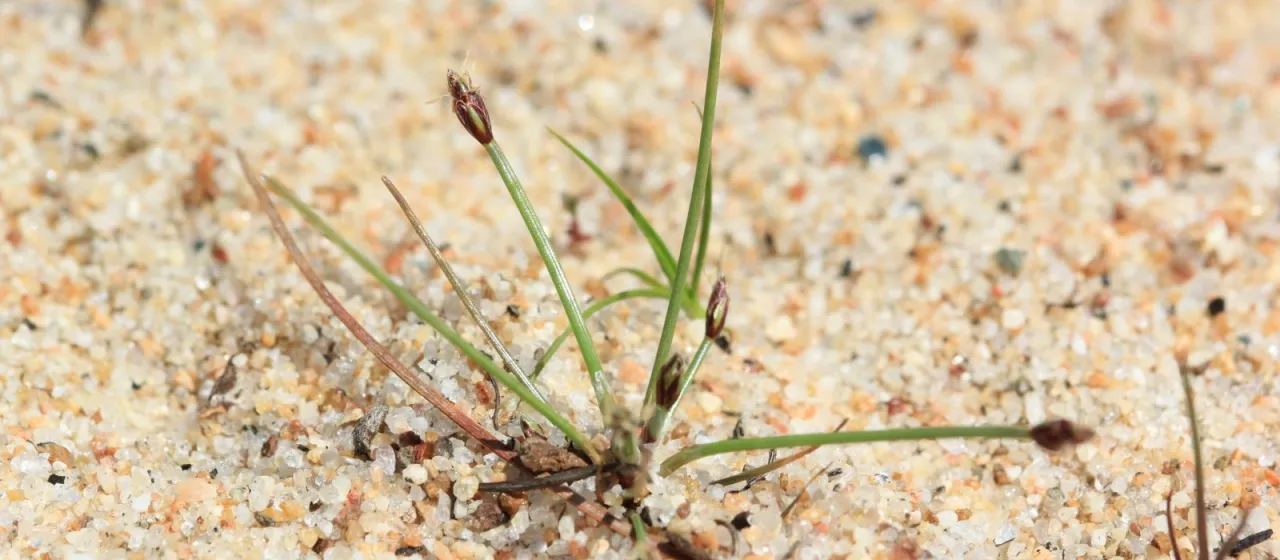
Botanically, Eleocharis flavescens is characterized by dense, tufted stems that typically reach heights between 10 and 40 centimeters. The leaves are largely reduced to sheaths at the base of the stem. The plant produces small, spikelet-shaped inflorescences at the tip of each stem, which serve as the primary mechanism for both sexual and vegetative propagation in damp conditions.
Cultivation requirements focus heavily on the substrate and hydrology. The species thrives in acidic to slightly acidic soils that are high in organic matter and maintain high moisture content year-round. Effective agricultural management requires consistent irrigation or water level control to prevent soil drying, which is the primary stress factor for this particular species during its active growing season.
Host plant applications include the following:
- Constructed wetlands for wastewater treatment;
- Erosion control for pond and riverbanks;
- Biological water filtration in agricultural drainage systems;
- Landscaping for naturalistic aquatic environments.
Common plant health issues include fungal pathogens such as rusts and various leaf spots, which are often exacerbated by poor air circulation or stagnant water conditions. Pests such as stem-boring weevils can cause mechanical damage to the stalks. Sustainable management relies on regular inspection of the planting site, maintaining water flow to prevent stagnation, and avoiding over-densification of the crop stand.
Photo gallery