Spike rush
Eleocharis geniculata
Description
Spike rush (lat. Eleocharis geniculata) is an annual herbaceous plant belonging to the Cyperaceae family. It is a hydrophytic species that thrives in waterlogged conditions, frequently colonizing the margins of wetlands, ponds, and irrigated fields, particularly rice paddies.
The native distribution of this species covers tropical and subtropical regions of the Americas, with presence also documented in various parts of Asia and Africa. In an agricultural context, it is predominantly recognized as a weed in wetland-based crop systems, though it possesses ecological traits that allow it to adapt to diverse moisture-rich environments.
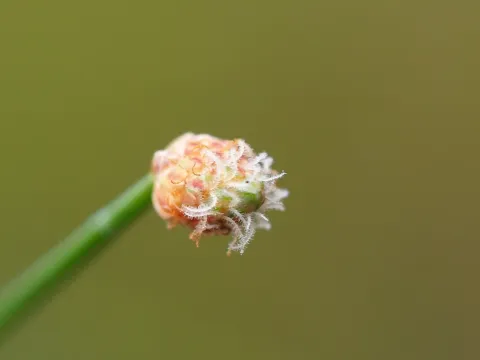
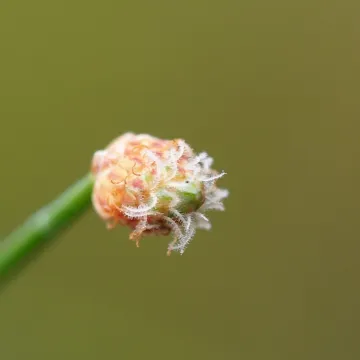
Botanically, the plant is distinguished by its thin, erect culms reaching 10–40 cm in height, which grow in dense tufts. The apex of each stem bears a distinctive terminal spikelet, typically globose to ovoid in shape. Its root system is fibrous and adapted for anchoring in the soft, saturated sediments found in marshy areas.
The climate and soil requirements for this plant are centered on moisture stability. It requires continuously damp or saturated soil conditions to maintain vegetative vigor and typically prefers silt or sandy-clay substrates. In cultivation or management scenarios, control is essential to prevent it from outcompeting primary crops, which is usually achieved through water depth regulation and mechanical weeding.
Economically, while it is often managed as a pest in commercial rice production, spike rush serves as a valuable component in natural wetland restoration due to its ability to stabilize sediments and improve water quality. Identifying the plant at early growth stages is crucial for farmers to implement effective weed management strategies and minimize impact on crop yield.
- Preferential growth in saturated or flooded substrates
- Annual growth habit with high seed production rates
- High competitiveness for nutrients in paddy fields
- Ecological function in stabilizing wetland ecosystems
Photo gallery