Eleocharis kuroguwai
Eleocharis kuroguwai
Description
Eleocharis kuroguwai is a perennial herb belonging to the Cyperaceae (sedge) family. While often categorized as a problematic weed in paddy fields, it is specifically cultivated in certain East Asian agricultural systems for its edible tubers. These tubers develop on underground rhizomes and are valued for their nutritional profile, particularly their starch content.
The plant is native to East Asia, including Japan, China, and the Korean Peninsula. Its primary distribution area coincides with regions where paddy rice cultivation is predominant, as the plant thrives in wetlands, marshes, and artificially flooded irrigation systems. It is highly adapted to anaerobic soil conditions where other traditional crops might struggle to survive.
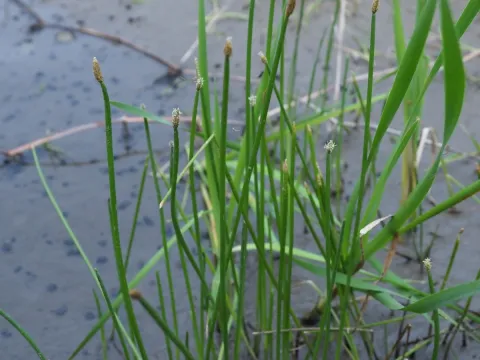
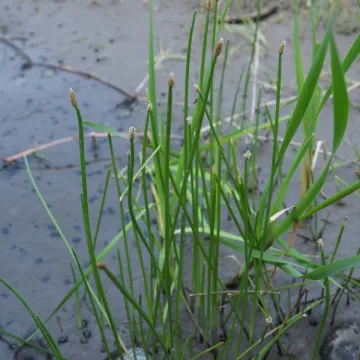
Botanically, it consists of slender, leafless green culms rising from a dense root system. The most significant feature of this species is the formation of dark-colored, crisp tubers at the nodes of its rhizomes. These tubers serve as storage organs, allowing the plant to overwinter effectively in waterlogged soils, which is essential for its propagation in seasonal wetlands.
The agronomic requirements for Eleocharis kuroguwai focus heavily on water management. It requires fertile, muddy substrates and consistent water coverage throughout the growing season to maximize tuber yield. Proper soil preparation involves incorporating organic matter to ensure high fertility, and maintaining a specific water level is crucial to suppress competing weed species and ensure optimal tuber size.
The economic value of this crop is primarily found in its culinary applications. The tubers are harvested, cleaned, and used in various dishes, either raw, boiled, or processed into starch. In terms of protection, the crop is susceptible to water-borne pathogens and root rots, necessitating careful water quality monitoring and periodic draining of fields to manage the plant's health and prevent fungal outbreaks.
Photo gallery