Eleocharis minuta
Eleocharis minuta
Description
Eleocharis minuta is a perennial grass-like plant belonging to the Cyperaceae family. In agricultural and horticultural contexts, it is highly valued for its ability to form dense, lush carpets in wet environments, making it a premier choice for specialized ground cover applications.
Originating from tropical and subtropical regions, this species has adapted to diverse wetland habitats. Its distribution area primarily covers parts of the Americas, where it has become a significant component of local ecosystems and an important subject for aquatic plant propagation.
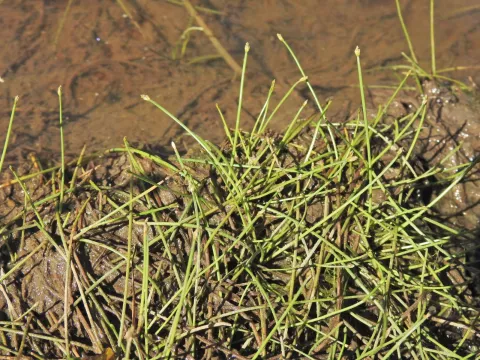
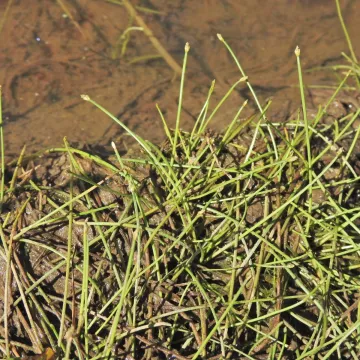
Botanically, Eleocharis minuta is characterized by its miniature size, with thin, thread-like leaves reaching only a few centimeters in height. It spreads via underground rhizomes, creating a interconnected root network that effectively binds the substrate and creates a stable, uniform surface.
Successful cultivation requires specific conditions: high soil moisture, nutrient-rich silt or loam, and consistent access to light. The plant thrives in warm climates, ideally within a temperature range of 22°C to 28°C. Agronomic management focus includes maintaining consistent water levels and preventing the encroachment of invasive aquatic weeds.
The primary agricultural and economic use of Eleocharis minuta is in the landscaping industry for water gardens and aquatic installations. It acts as an effective soil stabilizer and aids in biological water filtration, contributing to the overall health of the aquatic ecosystem.
Common issues include fungal infections linked to stagnant water and lack of proper aeration. While pests are rarely a major concern, the plant can be susceptible to environmental stress if water levels fluctuate significantly, which may weaken the stand and invite secondary pathogens.
Photo gallery