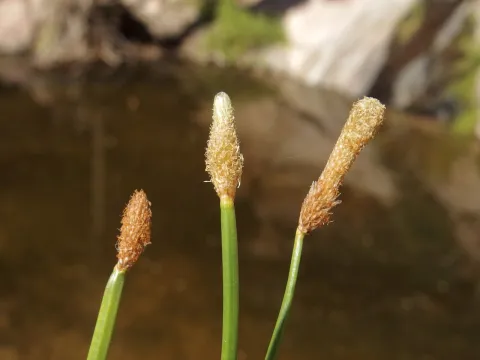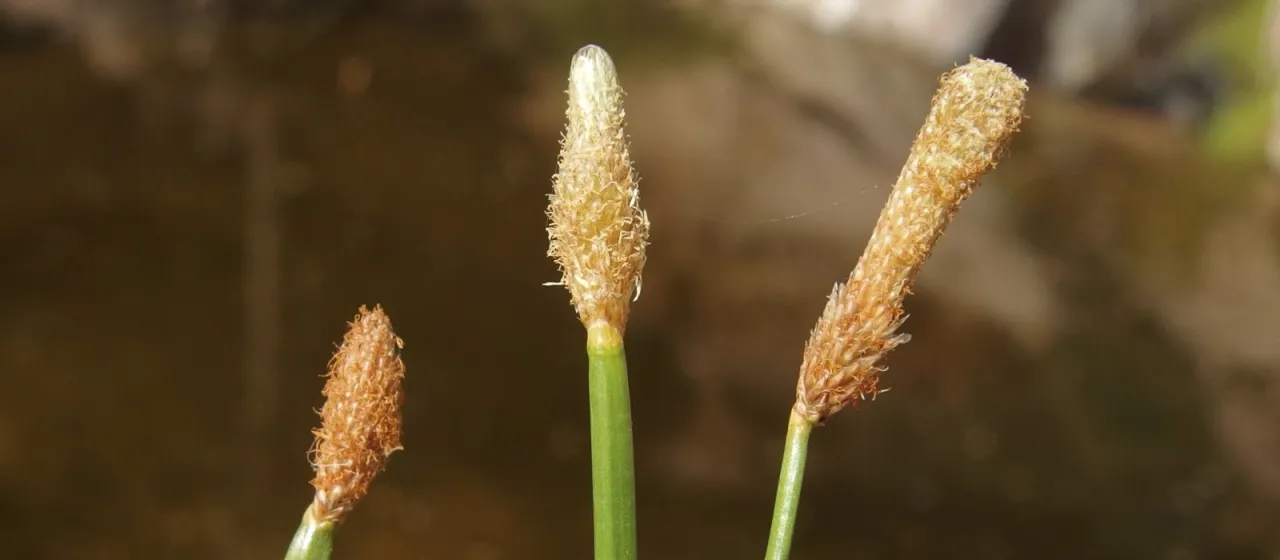
Description
Jointed spikerush (Eleocharis nodulosa) is a perennial herbaceous plant belonging to the Cyperaceae family. In an agricultural context, it is recognized as a resilient hydrophyte capable of thriving in highly saturated soils and stagnant water environments. The plant is distinct for its jointed stems, which provide structural stability and allow it to withstand varying water levels while maintaining optimal physiological function.
The origin of this species is traced to the tropical and subtropical regions of the Americas, where it is found along riverbanks, swamps, and wetlands. Its range of cultivation has expanded globally due to its adaptive capacity in warm climates. The plant prefers high solar radiation and consistently warm temperatures, making it unsuitable for regions experiencing harsh, prolonged winters that freeze the water column.
Botanically, it is a rhizomatous geophyte characterized by smooth, photosynthetic stems that lack functional leaves. These stems serve as the primary site for carbon fixation. The plant spreads effectively through its rhizome network, enabling it to form dense stands that can cover significant aquatic surface areas when provided with sufficient light and mineral-rich sediment.
Cultivation requirements are strict regarding moisture and light levels. It demands consistently moist or waterlogged substrates, ideally rich in organic matter. Agricultural management focuses on maintaining a precise water depth to prevent the proliferation of competing aquatic weeds, which can quickly overwhelm the crop if the ecological balance is not carefully monitored and managed.
Key areas of agricultural and industrial use:
- Harvesting for natural fiber production used in woven goods.
- Utilization in phytoremediation projects to treat wastewater.
- Landscape restoration and erosion control for wetland margins.
- Use as a bio-indicator for water quality in aquatic agricultural systems.
Common diseases and pests typically involve fungal pathogens that thrive in stagnant water, which can damage the stem tissues. Additionally, specific aquatic insects may feed on the rhizomes or stems, causing significant losses if left untreated. Integrated pest management, including water circulation and habitat maintenance, is essential for preserving the yield and ensuring plant health.
Photo gallery