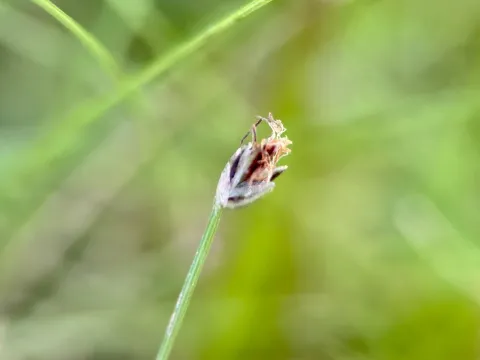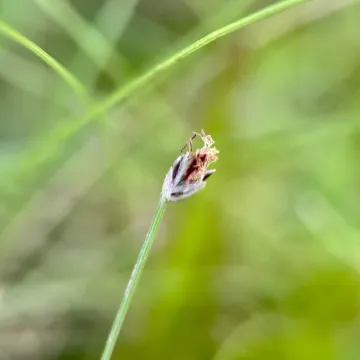

Retroflexed spikerush
Eleocharis retroflexa
Description
Retroflexed spikerush (Eleocharis retroflexa) is a herbaceous plant species within the Cyperaceae family. It is recognized for its unique habit of growth in saturated soils and shallow aquatic environments, making it a specialized crop for wetland agriculture and ornamental water gardening.
Originally native to tropical and subtropical regions of the Americas, this species has naturalized in various parts of the world. It thrives in seasonal wetlands, riverbanks, and agricultural areas such as paddy fields, where moisture is constant and the soil remains high in organic matter content.
The botanical structure of the plant features slender, often reflexed stems emerging from a creeping rhizome system. These stems act as the primary photosynthetic organs, as true leaves are reduced to simple sheaths. The plant grows in dense clumps or mats, providing excellent soil stabilization in wetland ecosystems.
Successful cultivation requires strict adherence to soil and water parameters. The plant prefers acidic to neutral, nutrient-rich silt or peat-based soils. Consistent moisture is critical; drying out the substrate typically leads to rapid physiological stress and potential loss of the crop stand.
- Maintenance of high soil humidity levels.
- Requirement for moderate to high light exposure.
- Periodic monitoring for mineral deficiencies, particularly iron.
- Managing invasive plant species in the same growing area.
In terms of utility, it is primarily used in aquascaping, research, and as a component in wetland phytoremediation projects. Typical pests include small snails and aquatic caterpillars, while diseases are mostly limited to fungal infections triggered by stagnant water and poor oxygenation in the root zone.
Photo gallery