Description
Wolf's spikerush (Eleocharis wolfii) is a perennial herbaceous plant belonging to the sedge family (Cyperaceae). This species is highly specialized, adapted to thrive in specific wetland environments, making it a unique subject for agricultural and ecological studies focused on wetland conservation and landscape stabilization.
The native range of Eleocharis wolfii is primarily concentrated in North America, particularly in moist prairies and seasonally flooded depressions. The species is perfectly suited to habitats that undergo periodic cycles of flooding followed by soil drying, which serves as a natural trigger for its reproductive and growth cycles in the wild.
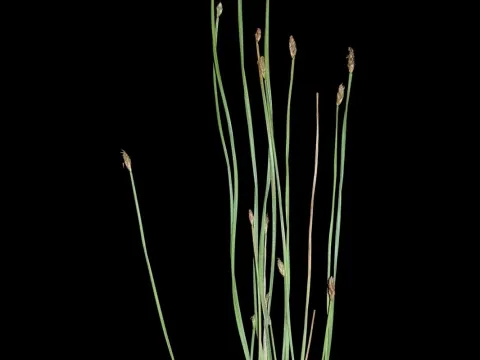
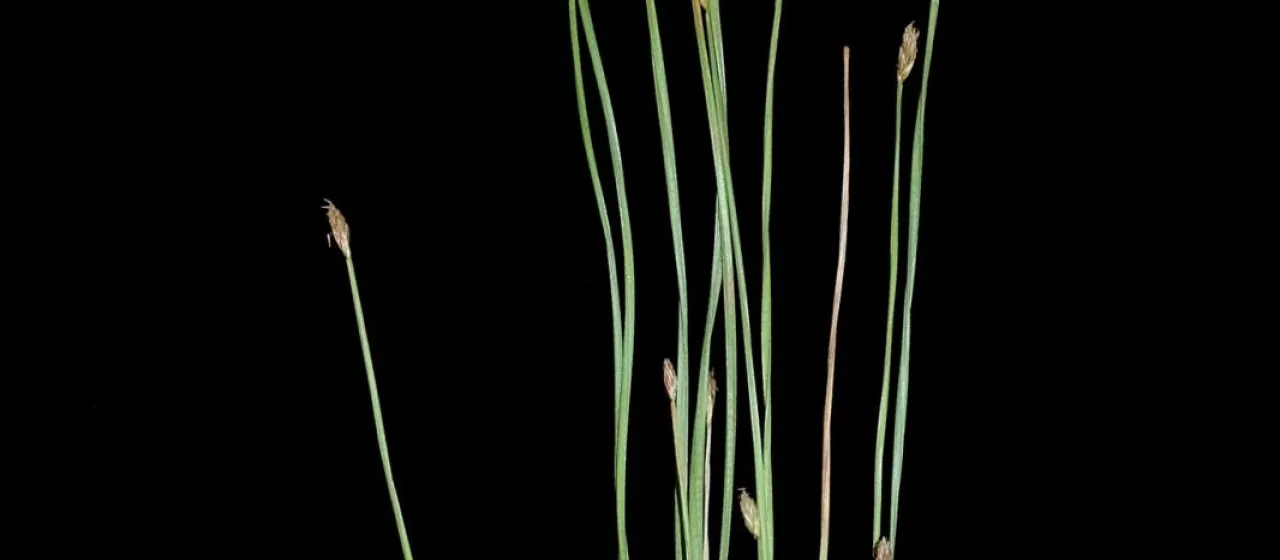
Botanically, Wolf's spikerush forms dense clumps of slender, photosynthetic stems that lack traditional leaves. Its root system is fibrous and aggressive enough to stabilize soil, which is a key trait for its application in land management. The reproductive structures are terminal spikelets that contain numerous tiny flowers, characteristic of the Eleocharis genus.
In terms of agrotechnology, successful cultivation depends on mimicking natural hydrological conditions. The ideal soil profile is a nutrient-rich, moist, and slightly acidic medium. Irrigation management is critical: the field must remain saturated during the active growing season, but it is equally important to provide drainage or allow for a natural drawdown period to prevent root decay and facilitate seed development.
Regarding хозяйственное usage, Wolf's spikerush is primarily utilized for ecological engineering, specifically in bio-remediation and the restoration of degraded marshlands. Because of its density, it acts as a superior filter for sediment and runoff, effectively improving water quality in man-made detention basins and constructed wetlands, while providing essential cover for wetland fauna.
- High tolerance for fluctuating water tables.
- Rhizomatous growth pattern ensures soil stability.
- Low requirement for commercial fertilization in organic-rich soils.
- Excellent candidate for non-invasive ecological restoration projects.
Photo gallery