Description
Eremophila mitchellii, commonly known as the Buddha bush, is a robust, evergreen shrub or small tree belonging to the Scrophulariaceae family. Known for its ability to thrive in harsh environments, it has gained attention in agricultural research for its potential in arid land development. It typically grows to a height of 2 to 6 meters, showcasing a dense, woody structure.
The species is native to the inland regions of Australia, specifically inhabiting dry woodlands and semi-arid landscapes. Its geographical distribution spans across Queensland and New South Wales. The plant is perfectly adapted to climates characterized by extreme temperatures and unpredictable, often scarce, rainfall patterns, reflecting its evolutionary history in the Australian outback.
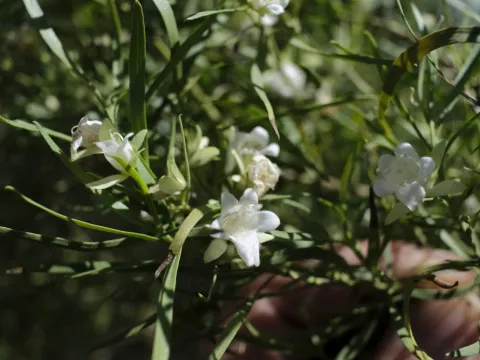
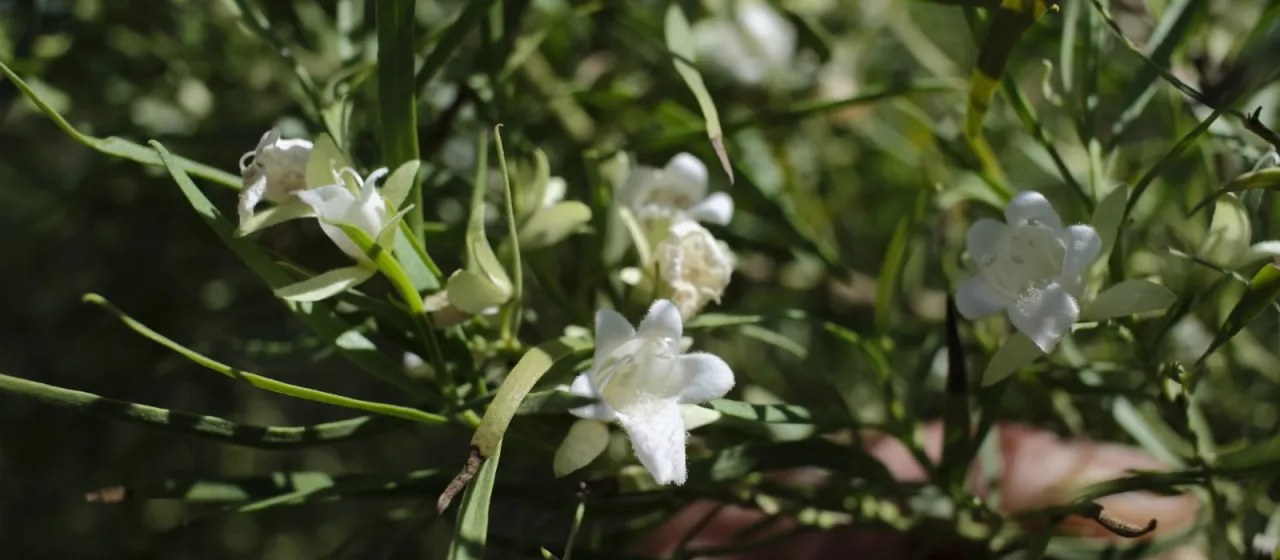
Botanically, Eremophila mitchellii features narrow, coriaceous leaves that are highly efficient at reducing water loss. The plant produces tubular flowers ranging from white to pale lilac, which bloom in response to rainfall events. Its deep root system allows it to access water deep within the soil profile, ensuring survival during severe drought conditions.
Regarding cultivation requirements, the plant prefers well-drained soils and thrives in sunny, open locations. Agricultural management is low-input; it requires protection from waterlogging, which is detrimental to its health. It is highly tolerant of saline soil conditions, making it an excellent candidate for the reclamation of degraded or marginal land in arid zones.
The economic and industrial applications of the Buddha bush are diverse:
- Extraction of high-quality essential oils used in skincare and traditional medicine.
- Use of its dense, aromatic wood for high-end woodwork and decorative carving.
- Landscaping in dry climates as a low-maintenance, ornamental shrub.
- Soil stabilization and erosion control in sensitive ecological areas.
The primary health issues for the plant are fungal diseases, which are typically triggered by improper irrigation and poor air circulation. While it is naturally resistant to many pests, monitoring for scale insects or mealybugs is recommended in dense plantations. Proper spacing and strict adherence to a dry growing regime are the best preventive measures for maintaining crop health.
Photo gallery