Description
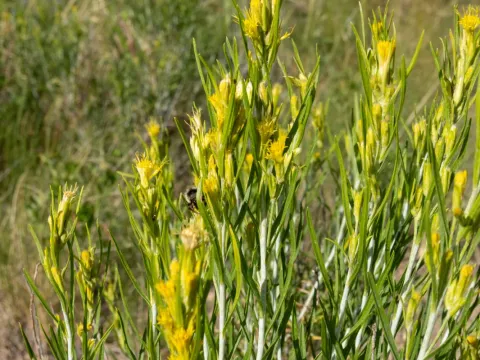
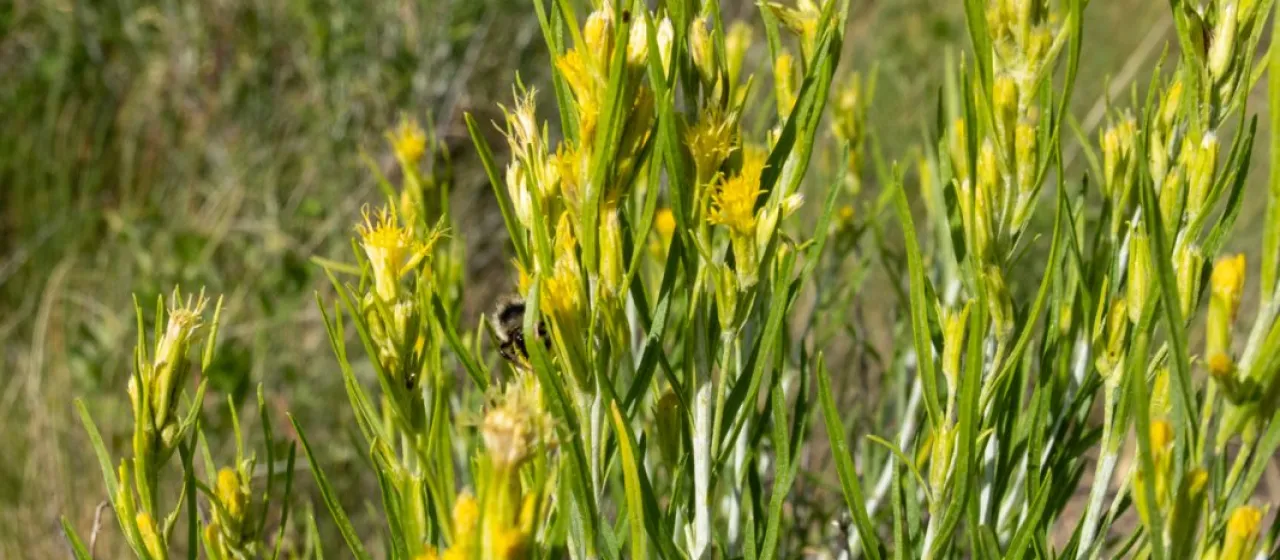
Ericameria parryi, commonly known as Parry's rabbitbrush, belongs to the Asteraceae family. It is a perennial shrub recognized for its resilience and ability to thrive in challenging environments. The plant is characterized by its woody base, slender leaves, and vibrant yellow composite flower heads that bloom during the late summer and autumn seasons.
Native to the western regions of North America, this species is naturally adapted to arid and semi-arid climates. Its geographic range covers various landscapes, including mountain slopes and dry plateaus. This natural distribution highlights the plant's evolutionary strategy to survive in soils with low nutrient availability and limited precipitation.
From a botanical standpoint, the plant is highly efficient in water management. Its deep-reaching root system allows it to stabilize soil structure effectively. The plant typically reaches a moderate height, forming dense, shrubby clumps that provide essential structural stability to degraded terrain.
The agronomic requirements for Ericameria parryi are minimal, focusing primarily on full sun exposure and excellent soil drainage. It is highly sensitive to waterlogged conditions, which can lead to rapid decline in vigor. Soil fertility is rarely a constraint, as the species is adapted to thrive in nutrient-poor mineral soils where other crops might fail.
In terms of utilization, the plant is highly valued for restoration ecology and land reclamation efforts. It helps prevent erosion and acts as a crucial food source for pollinators late in the season. While generally robust, the plant can be susceptible to fungal issues such as powdery mildew in overly humid environments and potential damage from sap-sucking insects if the planting density is too high.
Photo gallery