Description
Erythranthe robertsii is a distinguished herbaceous plant species belonging to the Phrymaceae family. Historically associated with the genus Mimulus, this species has been reclassified due to specific phylogenetic traits. It serves as a fascinating specimen for enthusiasts of rare flora, offering distinct floral displays that set it apart from common landscape plants.
The plant originates from the South American continent, specifically localized within the Chilean ecological zones. Its natural habitat includes moist, protected areas where environmental conditions remain relatively stable throughout the growing season. As an ornamental crop, its range of cultivation is currently focused on temperate regions where greenhouse or microclimate controls can manage its specific ecological needs.
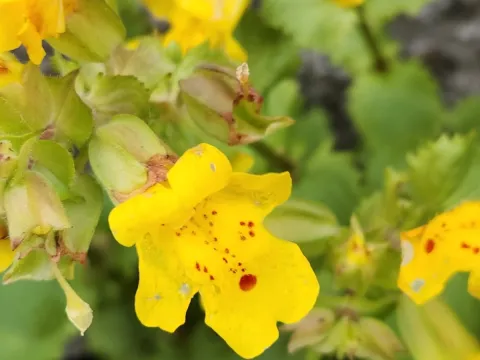
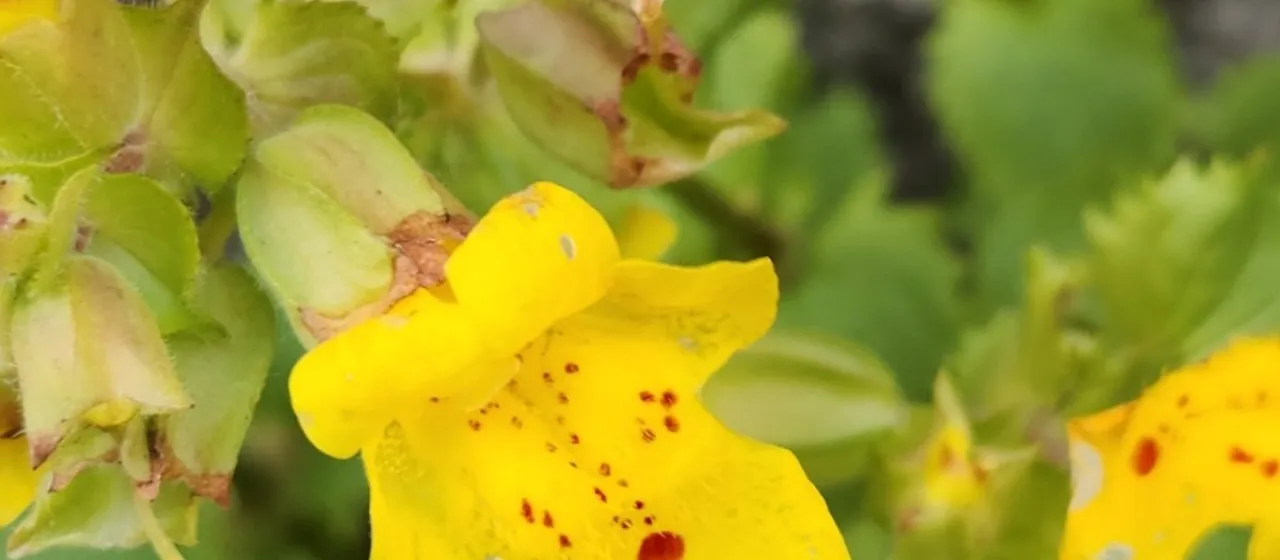
Botanically, Erythranthe robertsii features a compact growth habit with opposite leaf arrangement and zygomorphic flowers. The flowers are notable for their vibrant coloration and intricate structures, which are designed to attract specific pollinators in its native habitat. The plant typically reaches a modest height, making it suitable for front-border plantings or container gardening.
Cultivation requirements for this species are centered on moisture management and soil quality. It thrives in well-drained, nutrient-rich substrates that maintain high moisture levels without becoming waterlogged. Regarding climate, it prefers cool to moderate temperatures and protection from intense, direct solar radiation, which can easily damage its foliage. Greenhouse cultivation often yields the best vegetative results.
- Consistent irrigation to maintain high soil moisture.
- Application of balanced water-soluble fertilizers during active growth.
- Frequent monitoring for pests like aphids and spider mites.
- Regular pruning of spent blooms to encourage further flowering.
From a horticultural perspective, Erythranthe robertsii is primarily utilized for its aesthetic value in specialized gardens and botanical collections. While it is not a large-scale agricultural commodity, its role in the nursery industry as a high-value ornamental plant is significant. Breeders continue to evaluate the species for its potential in creating new hybrids with improved environmental resilience.
Photo gallery