Description
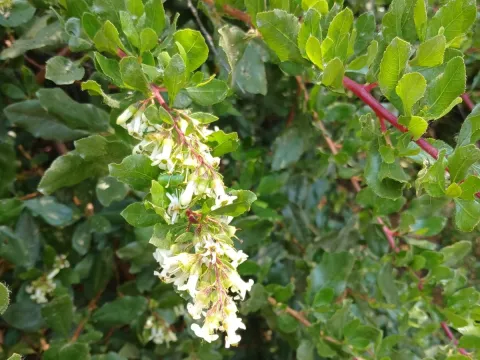
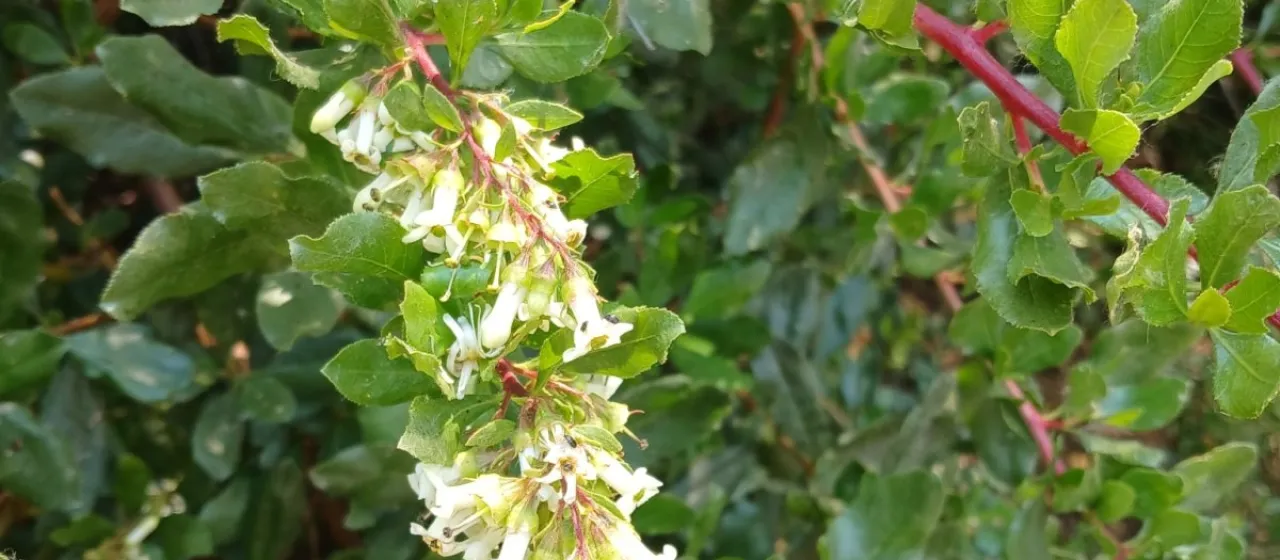
Sticky Escallonia (Escallonia viscosa) is a robust evergreen shrub belonging to the Escalloniaceae family. The species is scientifically recognized for the glandular hairs on its foliage and stems, which produce a distinct resinous, sticky substance, providing the plant with its common name and a glossy appearance.
Originating from South America, specifically Chile, the plant thrives in regions characterized by mild maritime climates. Its natural habitat includes slopes and mountain clearings, where it has evolved to cope with fluctuating levels of atmospheric humidity and well-aerated, rocky soils, which are typical for its native geographical range.
The botanical structure of Escallonia viscosa is defined by its dense, branching habit and glossy, serrated leaves. During the summer months, the shrub produces attractive racemes of fragrant flowers. This flowering cycle is a key biological feature that distinguishes it from other evergreen foliage plants, making it a seasonal point of interest in any landscape arrangement.
In terms of cultivation, this species requires specific environmental conditions to thrive. It performs best in fertile, well-drained soils with a slightly acidic to neutral pH. Gardeners should avoid planting in areas prone to waterlogging, as the root system is sensitive to excessive moisture. Ideally, the plant should be located in full sun or partial shade, with protection from harsh winter winds.
The primary horticultural application of sticky escallonia is in landscape architecture, where it is favored for its tolerance to pruning. It makes an excellent choice for:
- hedges and privacy screens;
- ornamental shrub borders;
- topiary design;
- coastal gardening applications.
Photo gallery