
Description
Arctic eyebright (Latin Euphrasia arctica) is an annual herbaceous plant within the Orobanchaceae family. This species is defined by its semi-parasitic nature, as it forms root connections with host plants—typically grasses—to supplement its nutritional needs while maintaining photosynthesis through its green leaves.
The plant is native to the cold northern regions of the Northern Hemisphere, including the Arctic tundra and subarctic meadows. It is highly adapted to extreme temperature fluctuations and typically occupies well-drained, open sites with low vegetation competition. Its wide range reflects a strong evolutionary resilience to cold-climate stressors.
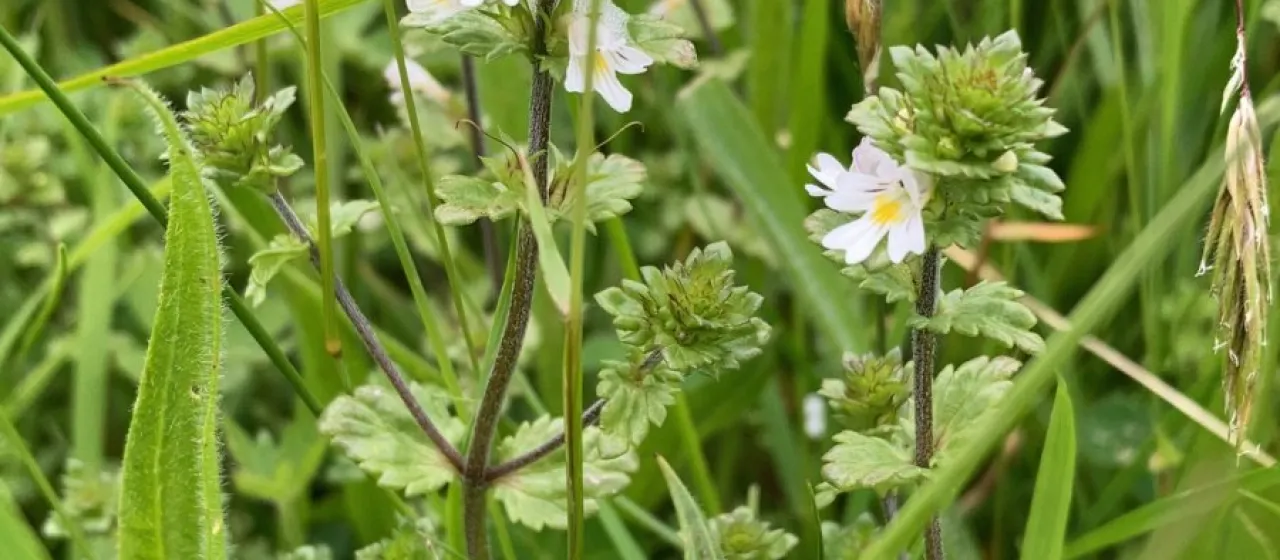
Botanically, Euphrasia arctica features a compact structure, opposite leaves with serrated margins, and distinct bilateral flowers. These flowers often exhibit vibrant markings, which are crucial for attracting pollinating insects. The root system is relatively rudimentary, specialized primarily for establishing haustorial links with neighboring vegetation.
Agronomically, this species is not suited for intensive farming. Because it relies on host plants for survival, it cannot be grown in isolation. Propagation is strictly through seed dispersal; successful germination generally requires a cycle of cold stratification followed by the availability of suitable host roots in the immediate soil vicinity.
In terms of utilization, Arctic eyebright is primarily valued for its phytochemical composition, which includes flavonoids and tannins. It is traditionally incorporated into ocular health products due to its anti-inflammatory properties. Common pests and diseases are rarely a concern in the wild, though high humidity can occasionally promote root rot or fungal leaf spots.