
Description
Euphrasia cebennensis, commonly known as the Cebennes eyebright, is an herbaceous plant species belonging to the Orobanchaceae family. Historically categorized under Scrophulariaceae, the genus Euphrasia is now recognized for its hemiparasitic nature, meaning the plant conducts its own photosynthesis while simultaneously deriving water and nutrients from the roots of host plants.
The plant is native to the mountain ranges of France, specifically the Cévennes region. Its natural range is restricted to alpine and subalpine meadows, where the plant has adapted to rocky, nutrient-poor substrates and a harsh climate marked by significant temperature fluctuations between day and night.
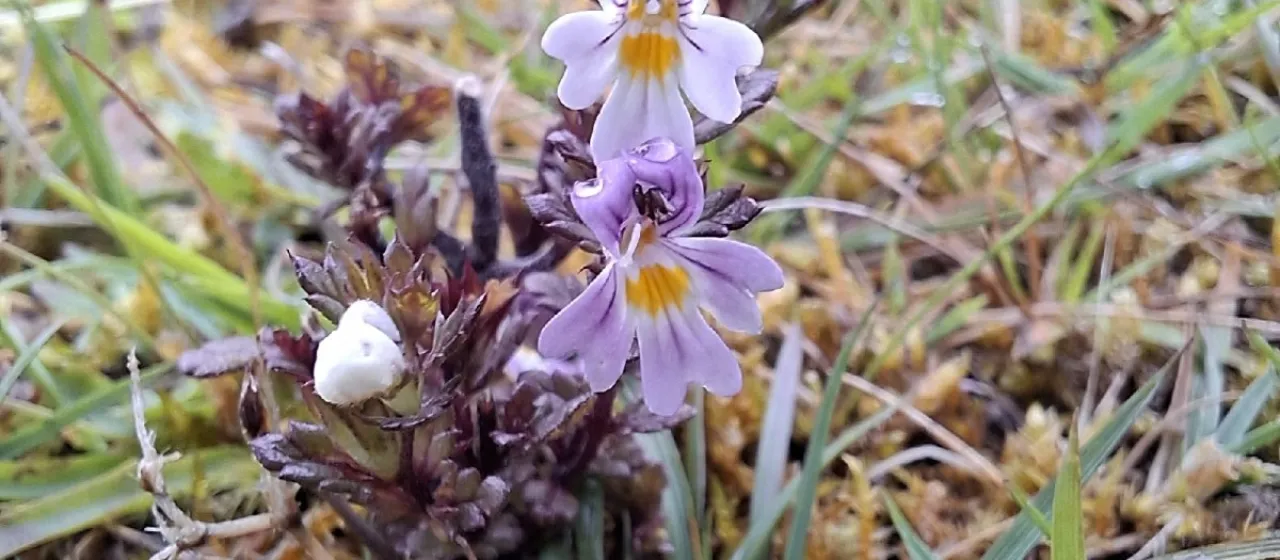
Botanically, the species is characterized by its small size, sessile leaves with serrated edges, and distinctive flowers. The blooms typically feature a combination of white and violet hues with a characteristic yellow throat, which is crucial for attracting specialized pollinators. The root system is equipped with haustoria, which are essential for its semi-parasitic lifestyle.
Regarding its horticultural and agricultural requirements, Euphrasia cebennensis is not a cultivated crop. It is highly sensitive to soil disturbance and changes in its host community. In a controlled environment, it requires a specialized substrate that mimics its natural high-altitude habitat, including low nitrogen availability and the presence of suitable host vegetation to support its survival.
The primary importance of this species lies in its contribution to local biodiversity and ecological stability. It is not harvested for food or fiber. Furthermore, the species is not typically subject to common agricultural pests, as it thrives in high-altitude environments that are generally inhospitable to many lowland pathogens. Preservation of its natural habitat is the main priority for the conservation of this unique botanical entity.