
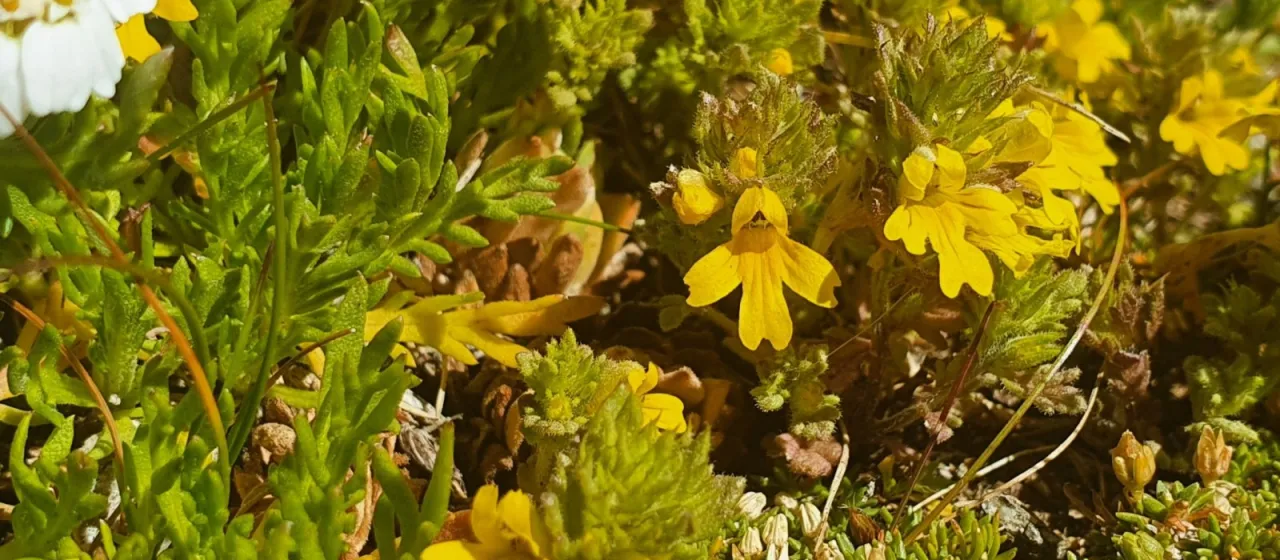
Description
Euphrasia christii, commonly known as a rare species of eyebright, is a member of the Orobanchaceae family. It is a specialized annual herbaceous plant that has adapted to thrive in specific ecological niches, often found in high-altitude environments where biodiversity is unique and resource competition is intense.
The plant exhibits a hemiparasitic lifestyle. While it is capable of photosynthesis due to its chlorophyll-containing leaves, it relies on haustorial connections to the root systems of neighboring host plants to supplement its water and mineral requirements. This reliance on a host makes it a challenging subject for conventional field cultivation.
Morphologically, the plant features a small, upright stem with toothed leaves arranged in opposite pairs. The flowers are typically white or pale lavender with yellow markings, designed to attract specific pollinators. These features are critical for its reproductive success in the harsh climates where it naturally occurs.
Agrotechnical requirements for Euphrasia christii are unique; it demands soils that are low in nutrients to maintain the dependency on the host species. Growers interested in this plant must ensure a suitable companion plant is present in the field, as the absence of a host will inevitably lead to stunted growth or failure to reach the reproductive stage.
Host plant interaction is the most significant factor in its management. Diseases and pests typical for the species are usually those affecting alpine meadows, such as various rust fungi or aphid infestations. Due to its status and specific growth requirements, the crop is primarily managed in conservation settings rather than commercial industrial fields.