
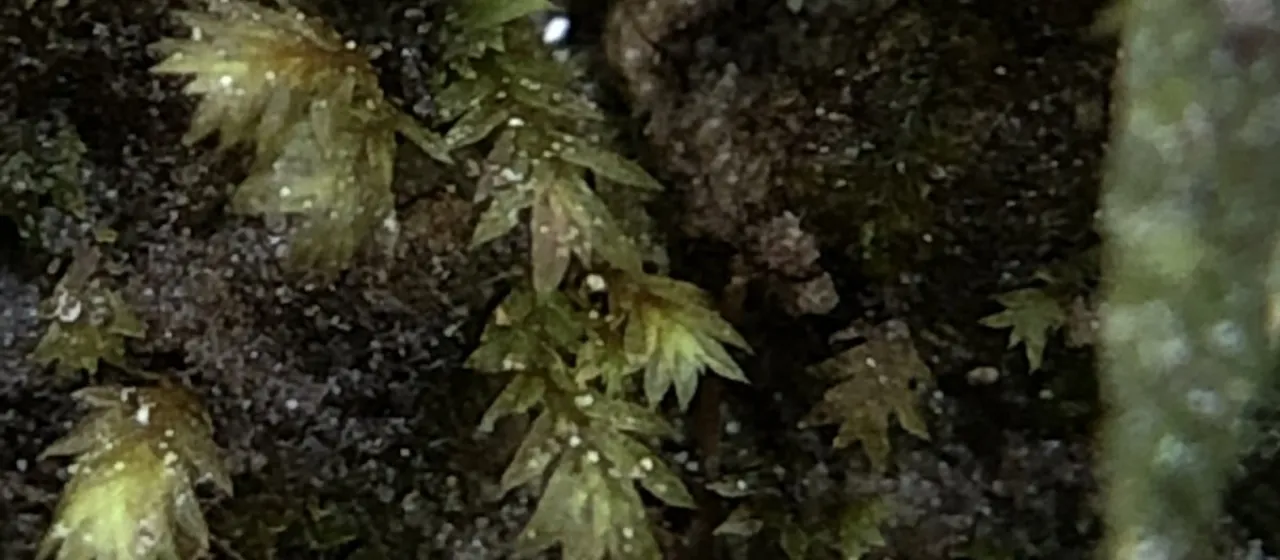
Description
Fissidens celticus is a miniature bryophyte species belonging to the Fissidentaceae family. While not a commercial agricultural crop, it is a significant organism in the field of bryology and forest ecology. Its presence in habitats adjacent to managed landscapes serves as a key indicator of environmental quality and microclimate stability.
The geographic distribution of Fissidens celticus is concentrated in the Atlantic regions of Europe, including parts of the United Kingdom, Ireland, and France. It prefers specialized ecological niches such as shaded stream banks, moist sandy soils, and damp rock crevices where humidity levels remain consistently high throughout the year.
Botanically, the species is defined by its distichous leaf arrangement and the presence of a distinct vaginant lamina, which is a hallmark of the Fissidens genus. These adaptations allow the plant to thrive in low-light conditions by maximizing the efficiency of water uptake directly from the air and the damp substrate, showing a remarkable resilience to shade.
Regarding its utility, Fissidens celticus is primarily studied for its role in bio-indication and habitat conservation. It is not managed through traditional agrotechnology; however, its protection is often integrated into land-use management plans to maintain the biodiversity of riparian zones and natural buffer strips that prevent soil erosion and support local ecosystem health.
The species does not face threats from standard agricultural pests, but it is extremely sensitive to chemical runoff, habitat fragmentation, and alterations in water table levels. Conservation efforts focus on preserving the natural canopy cover and preventing the disruption of the hydrological cycle in its native range, as it cannot survive under intensive cultivation methods or in exposed, dry environments.