
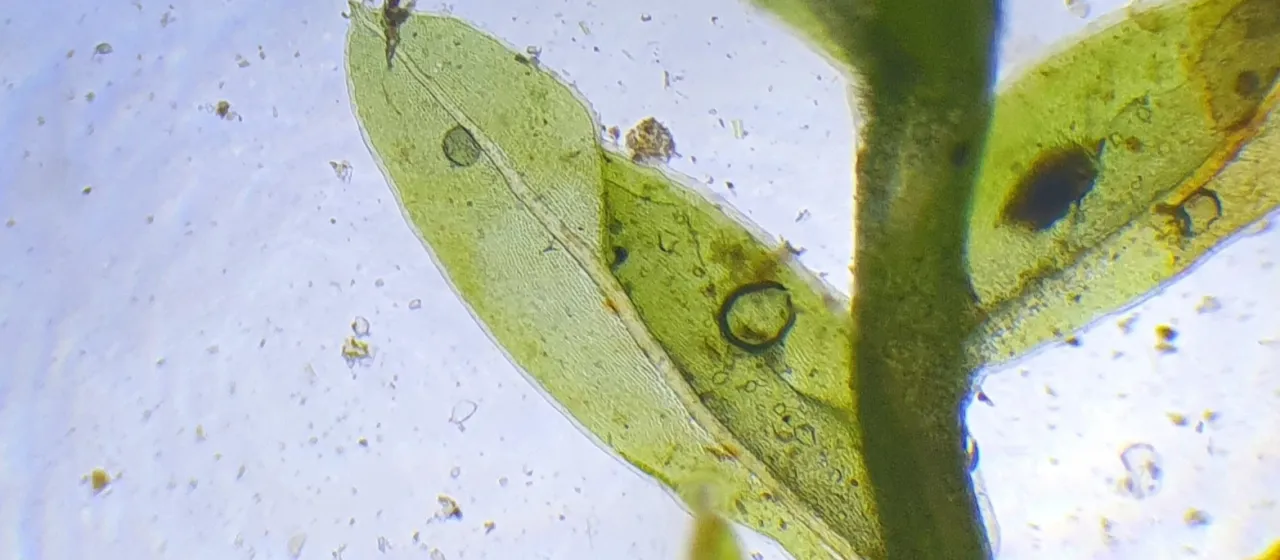
Description
Fissidens curnovii is a moss species belonging to the Fissidentaceae family. In the context of specialized horticulture, particularly in aquatic plant production, it is recognized as a high-value botanical subject. It is widely prized by enthusiasts for its unique, dense growth habit and its ability to thrive in submerged conditions under controlled aquarium environments.
The plant originates primarily from temperate regions with oceanic influences, often found in parts of Western Europe. Its native habitat includes wet rocks and shaded embankments along freshwater streams. This environmental background dictates its primary need for high humidity and consistent moisture, making it an excellent candidate for humid terrariums and aquascaping setups.
Botanically, Fissidens curnovii displays a delicate, feathery appearance. The leaves are arranged in two distinct rows along the stem, with the characteristic split base that defines the Fissidens genus. These leaves serve as efficient surfaces for nutrient uptake from the water column, while the rhizoids act as anchors for attachment to hard substrates like driftwood or stones.
Effective cultivation requires strict adherence to environmental parameters. The plant thrives in well-oxygenated water with low mineral content. Key agricultural aspects include:
- Maintaining temperatures between 15°C and 22°C.
- Providing moderate light intensity to promote growth while preventing algal blooms.
- Ensuring steady water circulation to transport nutrients.
- Regular monitoring of carbon dioxide levels, which can significantly accelerate growth rates.
Commercially, this moss is utilized for high-end landscaping and biological research. Common problems encountered during cultivation involve susceptibility to rapid competition from invasive filamentous algae and potential decay due to poor water quality. Implementing a regular maintenance schedule and utilizing appropriate filtration are essential for keeping healthy colonies.