
Description
Fissidens dubius is a species of moss belonging to the Fissidentaceae family, widely recognized in the field of aquatic plant cultivation. Unlike traditional field crops, this species is specialized for controlled environments, particularly in aquascaping and professional aquatic nurseries where its aesthetic value is highly prized.
Originating from temperate regions across the Northern Hemisphere, this plant naturally thrives in damp, shaded environments along stream banks and on rocky substrates. In an agricultural context, it is propagated in specialized aquatic facilities designed to mimic these high-humidity, clean-water conditions, ensuring the plant retains its structural integrity and health.
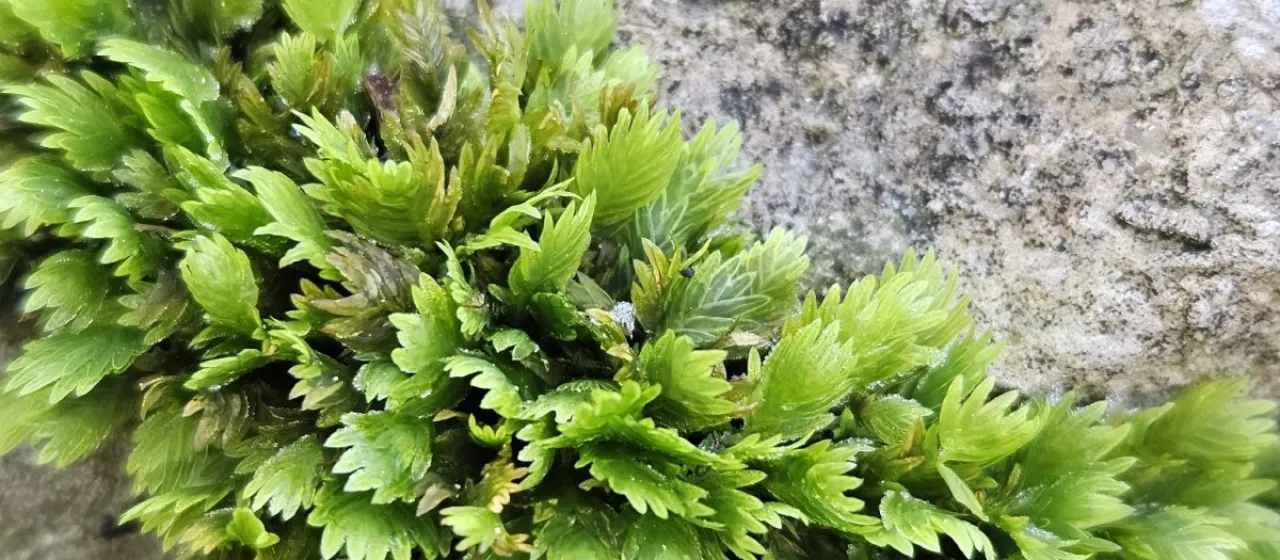
The botanical characteristics of Fissidens dubius include a distinctive distichous leaf arrangement, where leaves are attached in two ranks, creating a flattened, fern-like appearance. It lacks a true vascular root system, relying instead on rhizoids to anchor to substrates like rocks or driftwood, which allows it to absorb nutrients directly from the water column.
The cultivation requirements for this moss are relatively strict. It prefers temperatures between 18°C and 24°C, moderate light levels to prevent algae outbreaks, and stable water chemistry with a pH range of 6.0 to 7.5. Regular fertilization with micro-nutrients, specifically iron, is essential for maintaining deep green coloration and healthy growth rates in industrial nursery settings.
The primary economic use of this plant is the ornamental aquarium trade, where it is used to create realistic underwater landscapes. While generally robust, it is susceptible to being overgrown by filamentous algae or cyanobacteria if nutrient levels are poorly managed. Successful farm production relies on maintaining a sterile, nutrient-balanced water environment to prevent pest and pathogen intrusion.