
Description
Forestiera acuminata, commonly known as swamp privet, is a deciduous shrub or small tree belonging to the Oleaceae family. It is distinct for its preference for wetland habitats, floodplains, and areas with poorly drained, heavy soils. This plant is a vital component of riparian ecosystems where its ability to withstand inundation makes it highly competitive and ecologically valuable.
The native range of Forestiera acuminata is primarily in the south-central and southeastern United States. It flourishes in environments such as swamps, bayous, and the banks of slow-moving rivers. Due to these habitat requirements, the species has been introduced into agricultural and landscaping contexts where soil drainage is problematic for more common landscape plants.
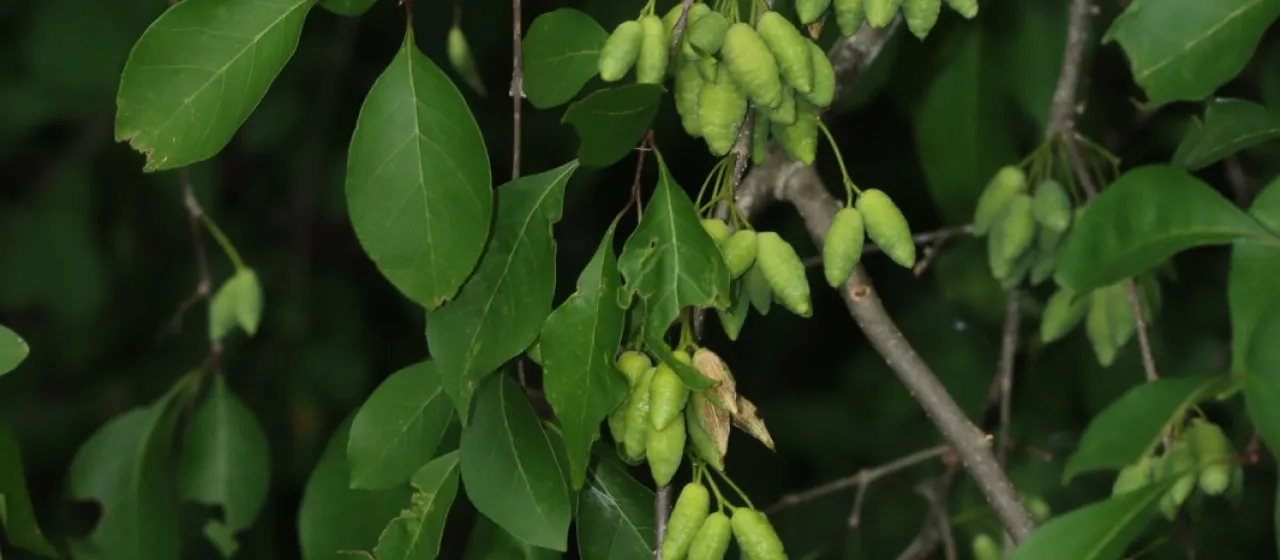
Botanically, the species is characterized by opposite, acuminate-tipped leaves and small, inconspicuous flowers that bloom in early spring before the foliage fully develops. The male and female flowers are typically dioecious. After pollination, the plant produces dark purple or black drupes that serve as a crucial food resource for migrating birds and various small wildlife species during the late summer and fall.
Regarding its cultivation, Forestiera acuminata thrives in deep, rich, moist-to-wet soils. It is remarkably intolerant of drought; therefore, consistent moisture is the most critical factor in its successful cultivation. It adapts well to full sun or partial shade but will exhibit its best growth density in brighter locations. Minimal maintenance is required, though occasional pruning is recommended to maintain the desired shape and clear out crowded stems.
- Selection of sites with consistently moist soil profiles.
- Use as a buffer plant for bank stabilization and erosion prevention.
- Monitoring for scale insects and fungal leaf spots.
- Annual removal of dead wood to promote structural health.
In terms of practical usage, this culture is highly valued for environmental engineering, particularly in shoreline restoration and wetland mitigation projects. It is an excellent choice for ornamental gardens located in low-lying areas that frequently collect water. By serving both as a habitat for local fauna and a structural element in landscape design, the swamp privet offers unique utility in challenging hydrological environments.