
Description
Forestiera pubescens, commonly known as desert olive, is a deciduous shrub or small tree belonging to the Oleaceae family. This resilient plant is highly valued for its ability to thrive in challenging environmental conditions, making it an excellent choice for xeriscaping and sustainable land management in arid and semi-arid regions.
The native range of this species extends across the southwestern United States and into northern Mexico. It is typically found in habitats such as canyon bottoms, rocky slopes, and along intermittent streams. Its evolutionary adaptation to these harsh, dry environments allows it to maintain vigor where many other ornamental species would struggle, demonstrating significant drought tolerance once established.
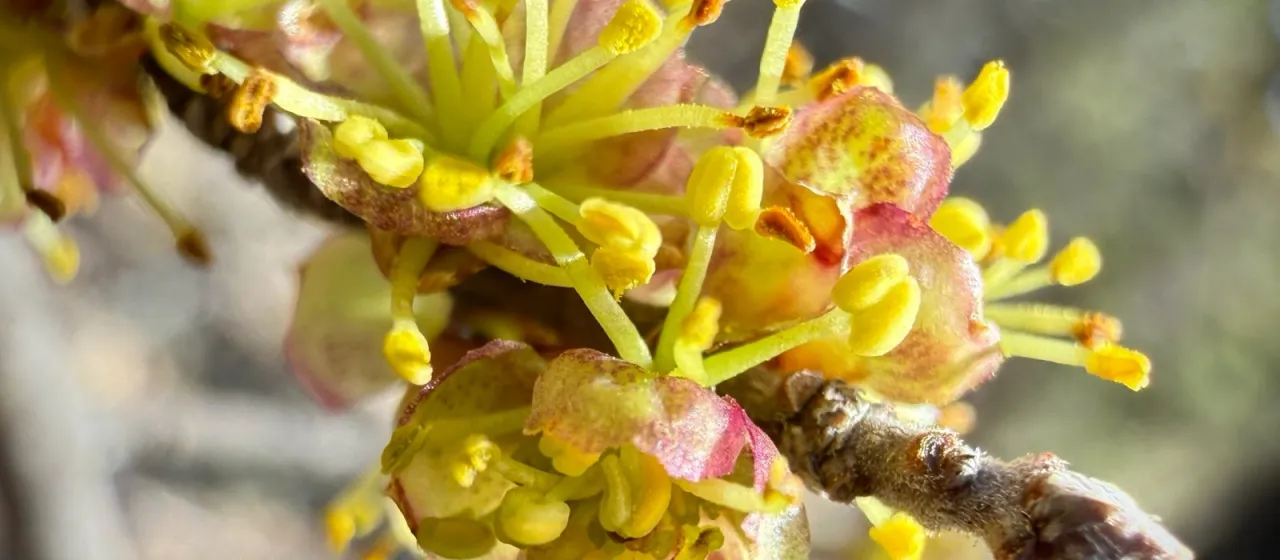
Botanically, Forestiera pubescens is recognized by its oppositely arranged, pubescent (hairy) leaves, which provide a soft texture to the foliage. It produces inconspicuous, pale yellow-green flowers early in the spring, often before the leaf buds open fully. These flowers are followed by small, dark, oblong drupes that serve as a crucial food resource for local avian species and small mammals, playing a vital role in local ecosystem health.
Regarding cultivation requirements, this plant prefers full sun to light shade and is remarkably adaptable to various soil types, provided they offer adequate drainage. It thrives in alkaline and limestone-rich soils, which are common in its natural range. Agronomic maintenance is relatively straightforward: it requires minimal irrigation once the root system has matured, and light pruning can be performed to shape the plant or remove dead wood to maintain aesthetic appeal.
The agricultural and landscape applications for this species include:
- Establishing windbreaks and privacy screens in rural areas.
- Enhancing urban xeriscape projects where water conservation is a priority.
- Soil stabilization and erosion control on disturbed slopes or hillsides.
- Supporting wildlife habitats by providing forage and shelter for native birds.
While generally robust, Forestiera pubescens can be susceptible to fungal issues if planted in areas with poor drainage or excessive humidity. Growers should monitor for common pests that affect the Oleaceae family, though major outbreaks are rare in well-maintained plantings. Regular monitoring and preventing waterlogged conditions remain the best strategies for ensuring the long-term health and productivity of these shrubs.