
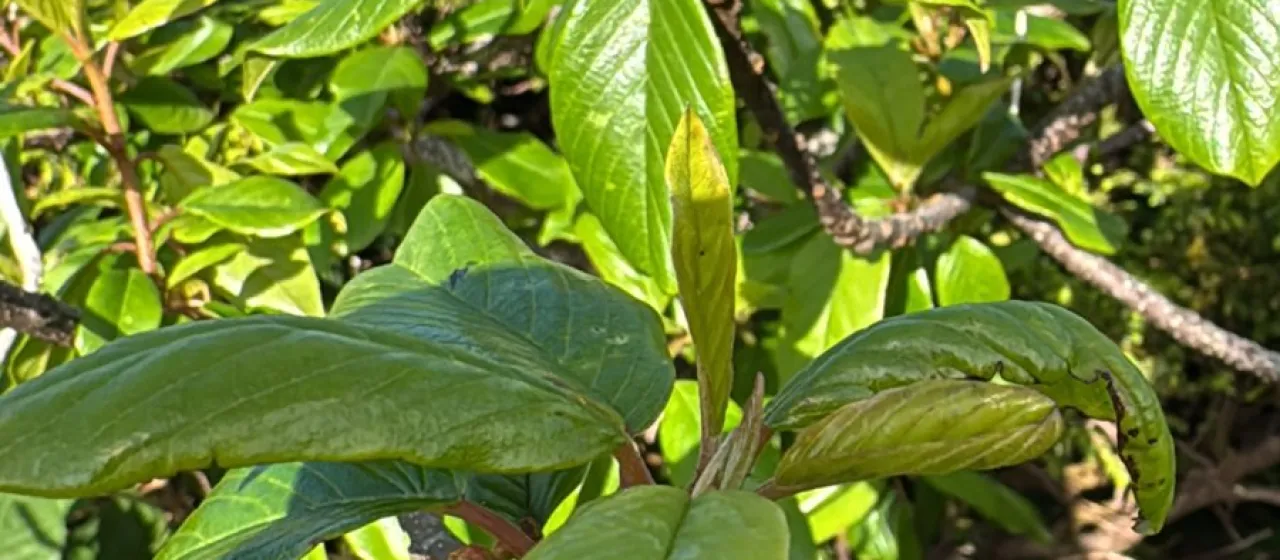
Description
Azorean buckthorn (Frangula azorica) is a perennial shrub belonging to the family Rhamnaceae. This species is native and endemic to the Azores archipelago, where it plays a critical role in the composition of indigenous laurel forests. Unlike many other Rhamnus or Frangula species, it is characterized by its evergreen foliage.
The natural habitat of this species is strictly linked to the mild, humid, and oceanic climate of the Azores. It thrives in high-altitude moist forest zones, often benefiting from frequent fog and precipitation. Due to its restricted natural range, the plant is considered a botanical rarity outside of its native environment.
Botanically, it presents as a dense woody shrub. The leaves are leathery, dark green, and glossy, providing significant aesthetic value. Small, inconspicuous flowers appear seasonally, followed by small dark berries. These structures have evolved to be dispersed by native birds, which is a key factor in the species' reproduction cycle.
In terms of cultivation, this plant requires high soil moisture and rich, well-drained, slightly acidic soil. It performs best in partial shade, as harsh direct sunlight can damage the leaves, especially in the early years of development. Consistency in soil humidity is the most vital factor for successful growth in greenhouse or garden conditions.
Horticultural utilization is currently focused on conservation and specialty landscaping. Because of its rarity, it is often featured in botanical collections. Potential threats include susceptibility to root rot if soil drainage is poor, as well as common greenhouse pests like spider mites. Effective management requires regular monitoring of foliage health and balanced irrigation protocols.