
Description
Cascara buckthorn (Frangula purshiana) is a deciduous shrub or small tree belonging to the Rhamnaceae family. It is widely recognized for its pharmacological importance, as its bark serves as the primary source of the natural laxative compound known as cascara sagrada, a staple in traditional and modern herbal medicine.
Native to Western North America, the plant thrives in environments ranging from coastal forests to mountainous terrain. Its natural distribution spans from British Columbia down through the Pacific Northwest to California. The species is highly adaptive to various moisture levels within these regions, provided it has access to well-drained but consistently moist soil.
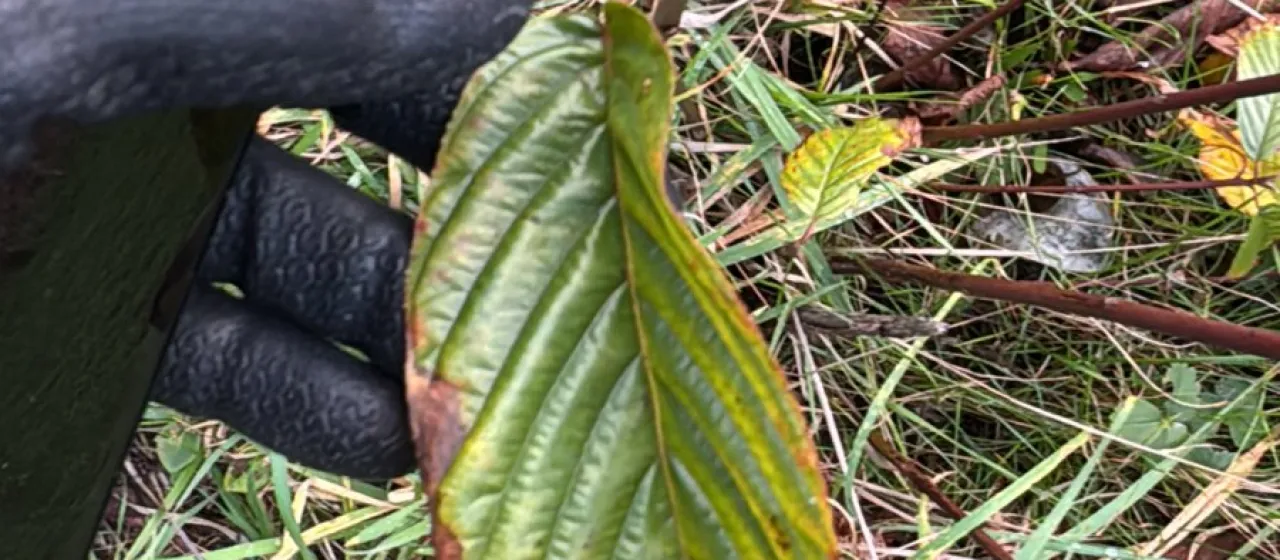
Botanically, the plant is distinguished by its glossy, elliptical leaves featuring prominent parallel veins and small, inconspicuous greenish-yellow flowers. The fruits are drupes that transition from green to deep red and eventually black upon maturity. These fruits are an essential component of the ecosystem, supporting local bird populations while identifying the plant's seasonal cycle.
Cultivation practices for Frangula purshiana require careful attention to soil composition. It prefers fertile, loamy soils with a slightly acidic to neutral pH. Proper spacing is critical to allow for adequate airflow, which prevents the buildup of humidity around the foliage. Irrigation should be managed to keep the root zone cool, while supplemental organic matter helps sustain vigorous vegetative growth.
The primary economic focus for this crop is the sustainable harvesting of bark, which must be dried and aged for at least one year before processing. Growers must remain vigilant against pests such as aphids and scale insects. Common diseases include leaf spot fungi and root rot, which are often mitigated through consistent drainage management and the removal of infected plant debris.