
Description
Carolina buckthorn (Frangula caroliniana) is a deciduous shrub or small tree belonging to the Rhamnaceae family. It is widely recognized for its clean, glossy foliage and its ability to fit into a variety of landscape settings, from formal gardens to naturalized woodland plantings. Unlike some invasive species in the same genus, this North American native is highly valued for its non-aggressive growth habit.
Originating from the southeastern and central United States, this shrub thrives in diverse habitats, often found in moist woods and thickets. It is characterized by its broad adaptability to soil types, including those that are slightly acidic or alkaline, provided they have adequate drainage. Its native range speaks to its innate robustness and capacity to handle regional environmental stress.
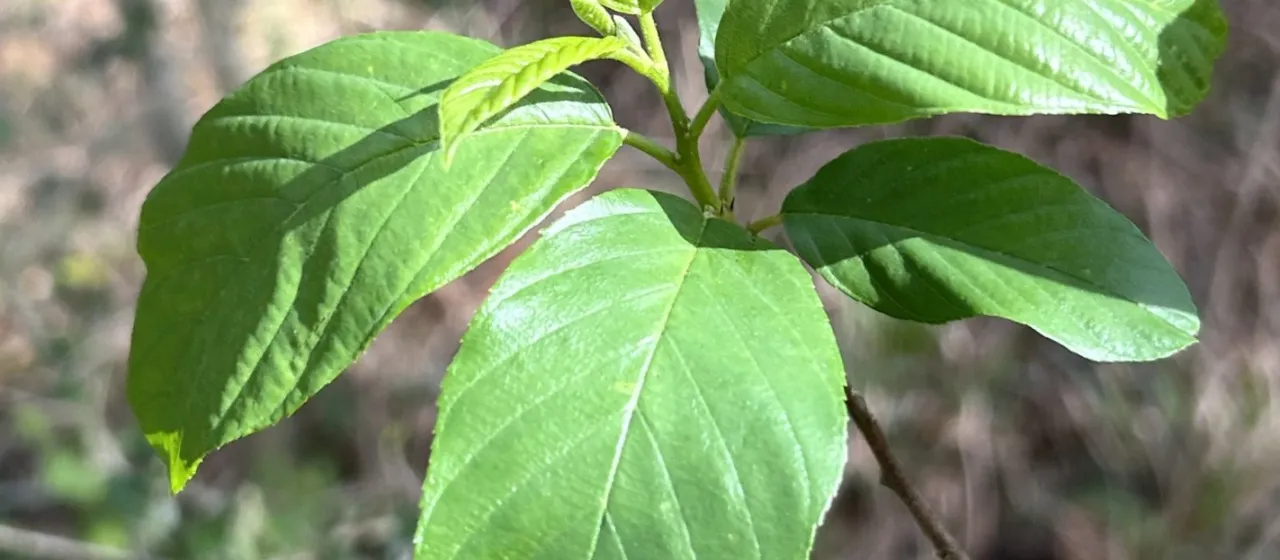
Botanically, Frangula caroliniana is distinct due to its alternate, simple leaves that are deep green and lustrous throughout the summer. The inconspicuous yellow-green flowers appear in late spring, providing a valuable nectar source for bees and other pollinators. The subsequent fruits transition through red to a mature black color, serving as a critical food source for migratory birds.
Cultivation of this species is relatively straightforward. It prefers a location with partial shade to full sun, though it often looks best with protection from harsh afternoon heat in drier regions. Maintenance requires minimal intervention; basic pruning to remove dead or crossing branches in late winter or early spring is typically all that is needed to maintain a healthy structure.
In terms of usage, the Carolina buckthorn is an excellent choice for hedge rows, screen plantings, or as a focal point in bird-friendly landscapes. It is generally resistant to major pests and diseases, though gardeners should keep an eye out for standard issues like scale or aphids during periods of high humidity. Its long-lasting foliage color adds year-round visual interest to the garden.
- Drought-tolerant once established.
- Significant wildlife value for birds and pollinators.
- Versatile use in various landscape designs.
- Natural resistance to many common shrub pests.