
Description
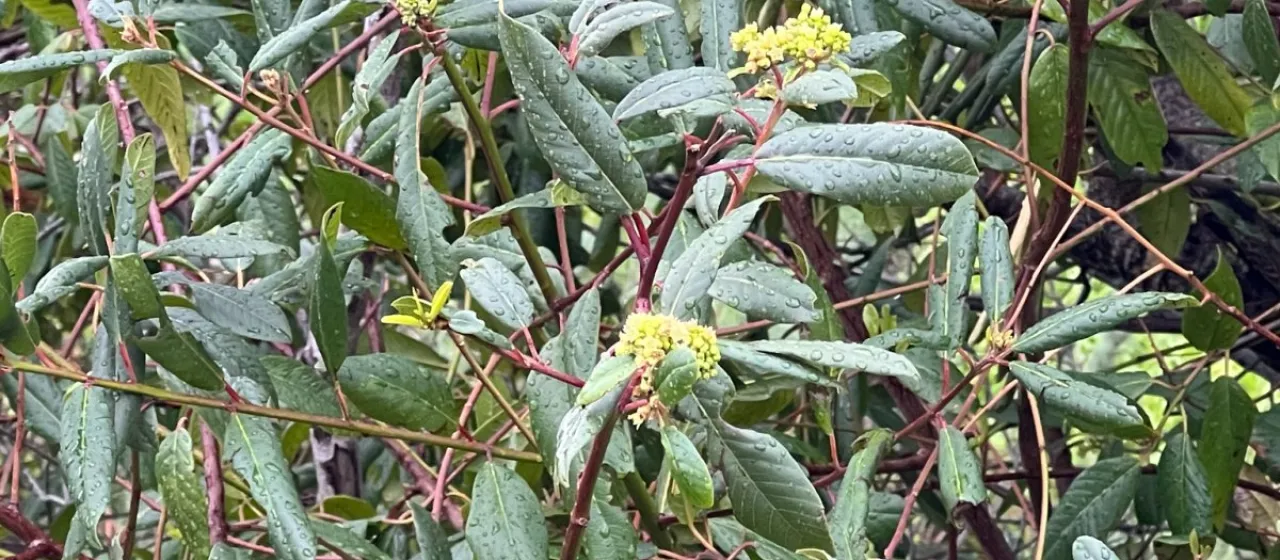
California buckthorn (Frangula californica) is an evergreen shrub belonging to the Rhamnaceae family. Known for its dense foliage and adaptability, it is a popular choice for gardeners and landscapers looking for low-maintenance, drought-tolerant species. It serves both aesthetic and ecological roles in modern garden design.
The native habitat of this plant is the western coast of North America, specifically spanning across California. Due to its natural evolutionary adaptation to Mediterranean-like climates, it excels in regions with wet winters and dry summers. Its ability to grow in various elevations, from coastal areas to mountain ranges, underlines its versatility as a cultivated crop.
Botanically, the plant is characterized by leathery, dark-green leaves that persist year-round, providing consistent color. The small, inconspicuous flowers are significant for local pollinators, while the berries that develop in late summer change from red to dark purple. These berries are a critical food source for birds, adding to the biodiversity of the managed landscape.
Agricultural requirements include well-draining soil, as the plant is sensitive to waterlogging. It is highly drought-tolerant once established, requiring little to no supplemental irrigation. Periodic pruning is recommended to maintain a manageable size and to encourage denser growth. In terms of soil composition, it prefers slightly acidic to neutral substrates but is generally tolerant of rocky or poor soils.
In practice, Frangula californica is utilized for screening, hedge formation, and as a component of native plant restoration projects. While it is generally resistant to pests and diseases, gardeners should watch for scale insects or aphid infestations in poorly ventilated environments. Proper site selection and initial care ensure the longevity and health of the plant throughout its life cycle.