Gazania krebsiana subsp. serrulata
Gazania krebsiana Less. subsp. serrulata (DC.) Roessler
Description
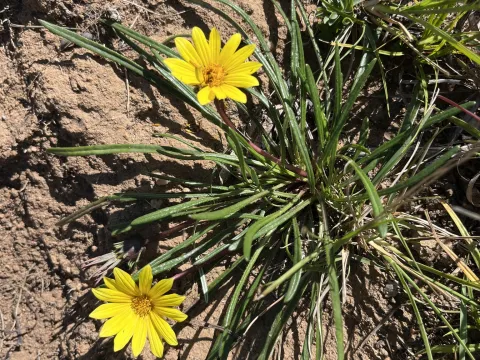
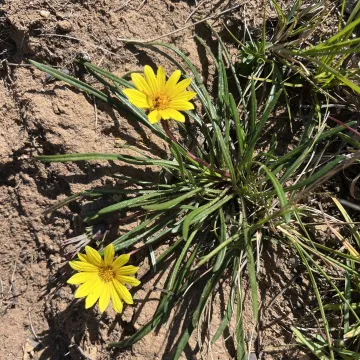
Gazania krebsiana subsp. serrulata is a perennial herbaceous plant belonging to the Asteraceae family. In the field of professional horticulture, this plant is recognized for its significant ornamental value and exceptional biological adaptation to harsh, semi-arid environments.
The plant originates from Southern Africa, specifically inhabiting regions with poor, rocky, or sandy soils. Its native habitat indicates a high level of resilience to environmental stress, including high temperatures and long periods of water scarcity. Due to these traits, it has become a popular choice for xeriscaping and sustainable gardening projects.
Botanically, this subspecies is characterized by its basal rosette of leaves with distinctive serrated margins. The inflorescences are typical for the genus, appearing as radiant, daisy-like flower heads. A key botanical adaptation is the nastic movement of the petals, which remain closed during overcast weather and at night to protect the reproductive structures from humidity and cold.
Regarding agrotechnical requirements, the plant demands full sun exposure and excellent soil drainage. It thrives in light, gritty soil conditions where water cannot accumulate near the root crown. In cultivation, excessive nitrogen fertilization should be avoided as it promotes vegetative growth at the expense of floral development. Irrigation management is the most critical factor; the plant requires deep, infrequent watering.
The primary horticultural application is the use of Gazania as a ground cover or border plant in hot, dry climates. It is highly valued for its ability to provide vibrant color in drought-prone areas where other species fail to thrive. Typical issues in cultivation include root rot caused by poor soil aeration and susceptibility to common garden pests such as aphids and spider mites during peak heat periods.
Photo gallery