Gentiana septemfida
Gentiana septemfida Pall.
Description
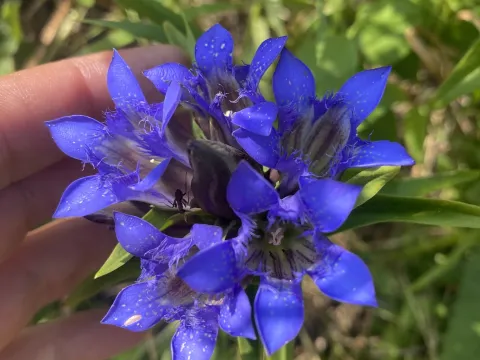
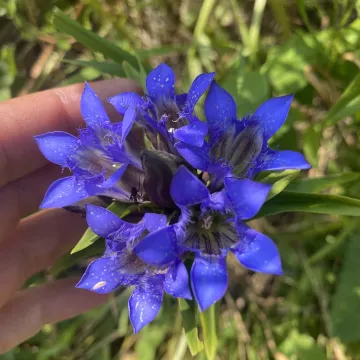
Gentiana septemfida, commonly known as the crested gentian, is a perennial flowering plant belonging to the Gentianaceae family. It is a hardy herbaceous plant characterized by its cluster of deep blue, trumpet-shaped flowers that bloom in mid-to-late summer. The plant typically forms low-growing, mounding tufts of foliage, making it a favorite for rock gardens and alpine-themed landscapes.
The species is native to the mountain ranges of the Caucasus, Turkey, and Iran. Adapted to alpine meadows and rocky slopes, it has evolved to thrive in environments with cool, moist summers and cold winters. Due to its decorative value and adaptability, it has been introduced into cultivation globally, becoming a staple in temperate climate gardens where its vibrant color stands out against stone or gravel mulches.
Botanically, the plant is recognized by its lanceolate leaves arranged in opposite pairs along the stems. The specific epithet "septemfida" refers to the seven-lobed structure of the corolla, which is a diagnostic feature of the species. Its root system is deep-reaching, allowing the plant to draw nutrients from rocky substrates, while the leafy stems provide a lush, textured appearance throughout the growing season.
For successful cultivation, the soil must be well-drained but consistently moist, mimicking the conditions of its native habitat. It does not tolerate prolonged waterlogging, which can lead to crown rot, nor does it thrive in overly dry, sandy soils that lack organic matter. Partial shade is generally preferred, especially in warmer regions, to protect the flowers from the intense afternoon sun.
Main challenges in the maintenance of Gentiana septemfida involve protection from common pests and diseases:
- Slugs and snails often feed on tender new foliage.
- Aphids may infest the flower buds during humid spells.
- Fungal diseases like leaf spot can occur if airflow is poor.
- Root rot caused by heavy, compacted soil or poor drainage.
Photo gallery