Grevillea bipinnatifida
Grevillea bipinnatifida R. Br.
Description
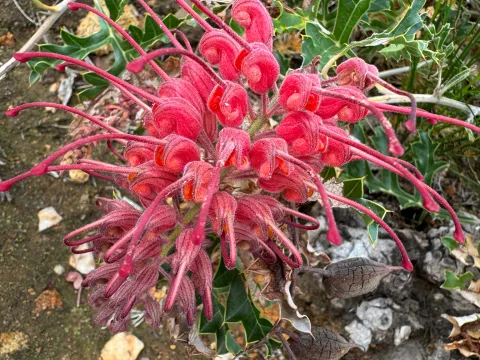
Grevillea bipinnatifida is a distinctive, wide-spreading evergreen shrub belonging to the Proteaceae family. Highly valued for its unique, fern-like, prickly foliage and vibrant, brush-like flower spikes, this species is a prominent choice in ornamental horticulture. Its aesthetic value is matched by its capacity to thrive in difficult, nutrient-poor soil conditions.
Native to Western Australia, this plant is well-adapted to the Mediterranean-style climate with hot, dry summers and mild, moist winters. In an agricultural and horticultural context, it is cultivated primarily in regions with similar climates. Outside of its native range, it requires greenhouse or container management due to its high sensitivity to frost and cold-induced damage.
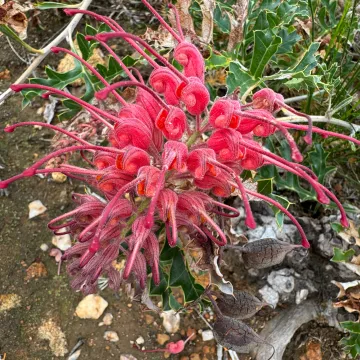
The botanical structure of the plant is defined by its deeply divided, bipinnatifid leaves that provide a textural contrast in any landscape. The flowers, ranging from deep pink to red, are rich in nectar, making the plant an essential resource for biodiversity, particularly for native nectar-feeding birds and pollinators in its natural habitat.
Cultivation requirements focus heavily on soil structure; excellent drainage is non-negotiable. The plant is phosphorus-sensitive, meaning that standard fertilizers can be harmful; specialized low-phosphorus fertilizers are recommended. It thrives in full sun, which is necessary to maintain the density of the foliage and ensure robust flowering cycles throughout the year.
- Requires well-drained, acidic to neutral soil.
- Full sun exposure is preferred for optimal health.
- Minimal fertilization with phosphorus-free formulas.
- Periodic pruning to prevent leggy growth.
Host use is primarily ornamental, serving as a specimen plant or a ground-covering barrier in xeriscaping projects. Pests such as mites may occur in low-humidity environments, while root-rot fungi are the most significant threat under conditions of poor drainage. Proper site selection and water management are the keys to successfully maintaining this exotic shrub.
Photo gallery