
Description
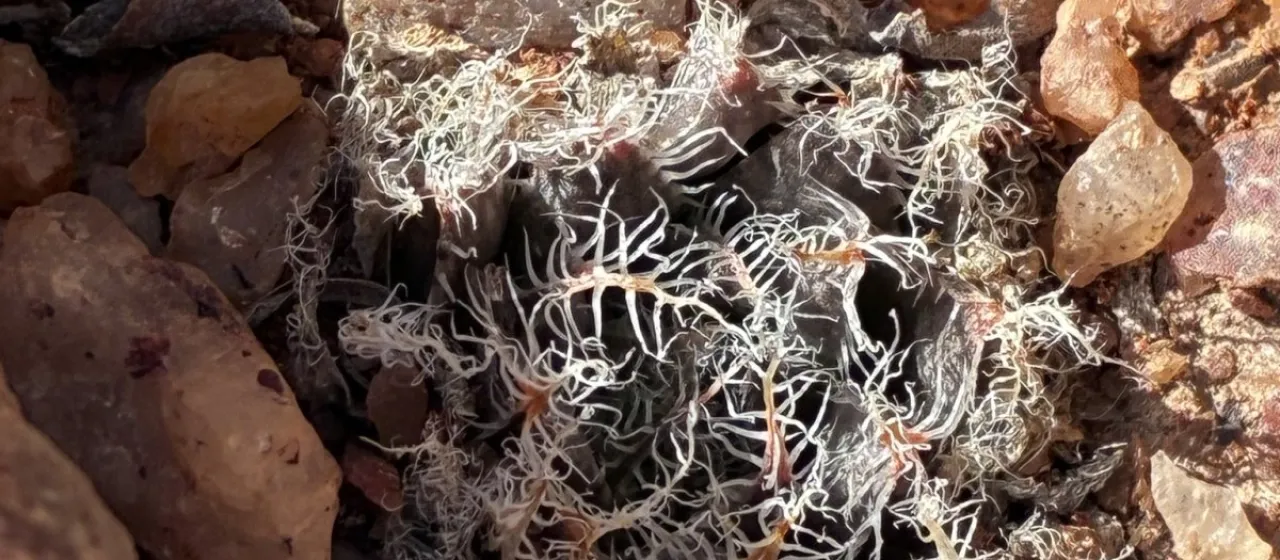
Haworthia arachnoidea is a small, perennial succulent species belonging to the family Asphodelaceae. This plant is renowned for its unique, cobweb-like appearance, created by long, translucent spines along the margins and tips of its fleshy leaves. These features make it a highly sought-after specimen for succulent collectors worldwide.
The native distribution of Haworthia arachnoidea is concentrated in the Cape Provinces of South Africa. It thrives in arid and rocky habitats, typically found growing in soil pockets within rock crevices. This environment has shaped its specialized survival mechanisms, allowing it to withstand extreme temperature fluctuations and significant periods of water scarcity.
Botanically, this species is characterized by its compact, stemless rosette form. The leaves are succulent, storing moisture to survive dry seasons. Growth is generally slow, and the plant produces offsets from its base, allowing for vegetative propagation. Its leaf texture is unique, often appearing crystalline or translucent, which enhances its aesthetic appeal.
Cultivation requirements for Haworthia arachnoidea emphasize excellent drainage and light management. The preferred soil medium consists of a grit-heavy mixture with minimal organic matter. Watering must be handled with care, allowing the substrate to dry out entirely between irrigation cycles. Bright, indirect light is ideal to maintain healthy leaf coloration and compact structure.
In terms of agricultural and horticultural use, this species is cultivated exclusively for ornamental purposes. It is a staple in nurseries specializing in drought-tolerant flora. Growers must be vigilant against common threats, such as root rot caused by stagnant moisture, as well as infestations by mealybugs or spider mites, which can be managed through proper airflow and targeted horticultural treatments.