
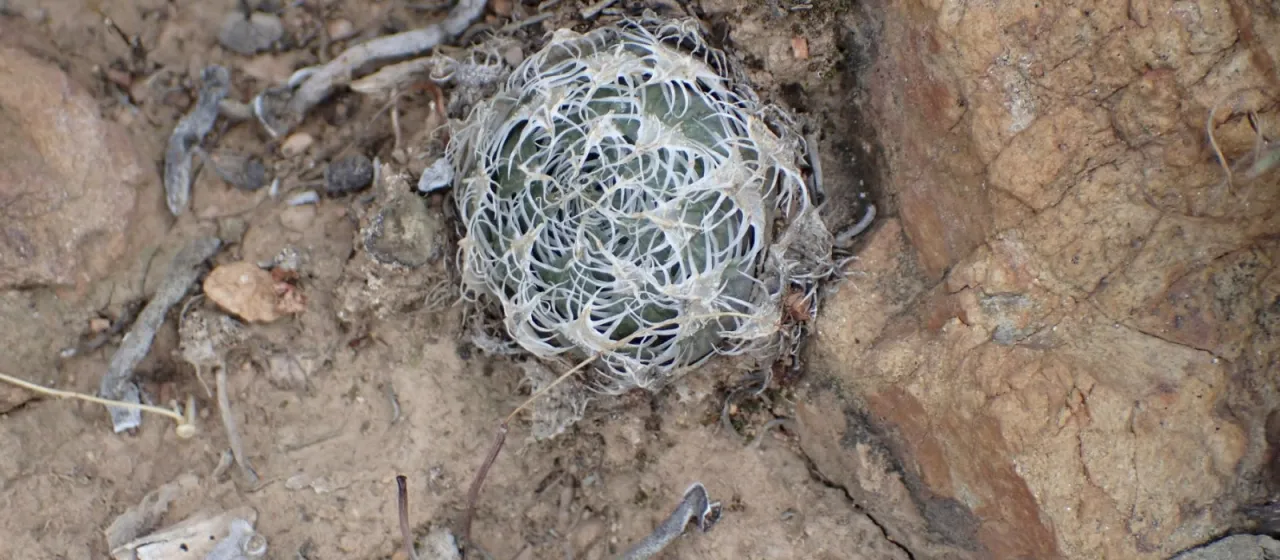
Description
Haworthia decipiens is a small, succulent perennial plant that belongs to the Asphodelaceae family. It is widely recognized by enthusiasts for its distinct rosette shape, featuring fleshy, triangular leaves often adorned with small, rigid marginal teeth or spines, which serve as a natural defensive mechanism.
The plant originates from the arid regions of South Africa, particularly within the Cape Province. In its native habitat, it grows in crevices and on rocky slopes, demonstrating an exceptional ability to survive in environments with poor soil quality and irregular precipitation, relying on its internal water reserves during prolonged drought.
Botanically, Haworthia decipiens exhibits significant variability in color and leaf texture depending on the intensity of light exposure. Leaves typically range from light green to deep purple or brownish shades. The plant forms compact rosettes, usually reaching a diameter of about 10 to 15 centimeters, and produces modest, tubular white flowers on a slender stalk during the blooming season.
Cultivation requires adherence to strict horticultural practices tailored for desert succulents. The ideal growing medium must be highly porous and inorganic, typically consisting of pumice, perlite, and coarse sand. Proper drainage is essential to avoid water stagnation, as the species is highly susceptible to root rot, which remains the primary cause of plant loss among amateur growers.
- Provide bright, indirect sunlight to maintain compact growth.
- Water sparingly, allowing the soil to dry out completely.
- Use pots with ample drainage holes to prevent moisture retention.
- Protect the plant from freezing temperatures during winter.
In terms of usage, the plant is primarily utilized in ornamental horticulture as a prized specimen in succulent collections. Common pests include mealybugs, which tend to hide between the tightly packed leaves. Maintaining good air circulation and avoiding overhead watering are key strategies to minimize the risk of bacterial and fungal infections.