
Description
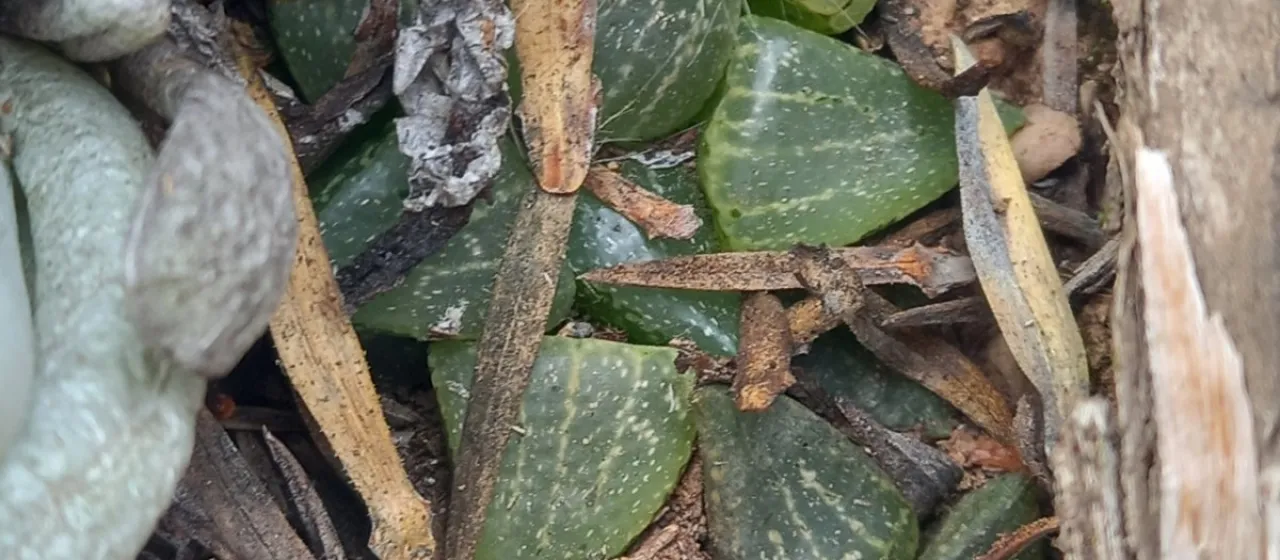
Haworthia emelyae is a fascinating succulent species belonging to the Asphodelaceae family. This plant is highly regarded in the horticultural industry for its distinct compact rosette shape and textured, often patterned leaves. It serves as a prime example of an ornamental crop that thrives in specialized nursery conditions designed for slow-growing, desert-adapted flora.
Originating from the arid regions of South Africa, specifically within the Cape Province, this species has evolved to withstand long periods of drought. Its natural habitat consists of rocky terrain with well-draining soil, which dictates the specific requirements for its successful cultivation in greenhouses or domestic environments across the globe.
Botanically, Haworthia emelyae is characterized by its succulent, firm leaves that grow in a dense, low-profile rosette. The leaf surfaces often display unique markings, such as tubercles or translucent windows, which assist in light absorption. The root system is relatively fleshy and deep, designed to store water and survive in high-heat, low-moisture environments.
Key agronomic practices for maintaining healthy Haworthia emelyae plants include:
- Light: Bright, indirect sunlight to prevent leaf scorch.
- Soil: A highly porous, mineral-rich potting mix with excellent drainage.
- Watering: Methodical irrigation, allowing the soil to dry out completely between waterings.
- Climate: Stable temperatures with a distinct dry period during the winter dormancy.
In terms of хозяйственного использования, Haworthia emelyae is primarily a decorative crop for succulent enthusiasts and collectors. It is often propagated through offsets or leaf cuttings. Common threats include mealybugs and root rot, the latter of which is almost always the result of incorrect moisture management. Maintaining a hygienic growing environment is essential for the long-term vitality of the plant.