
Description
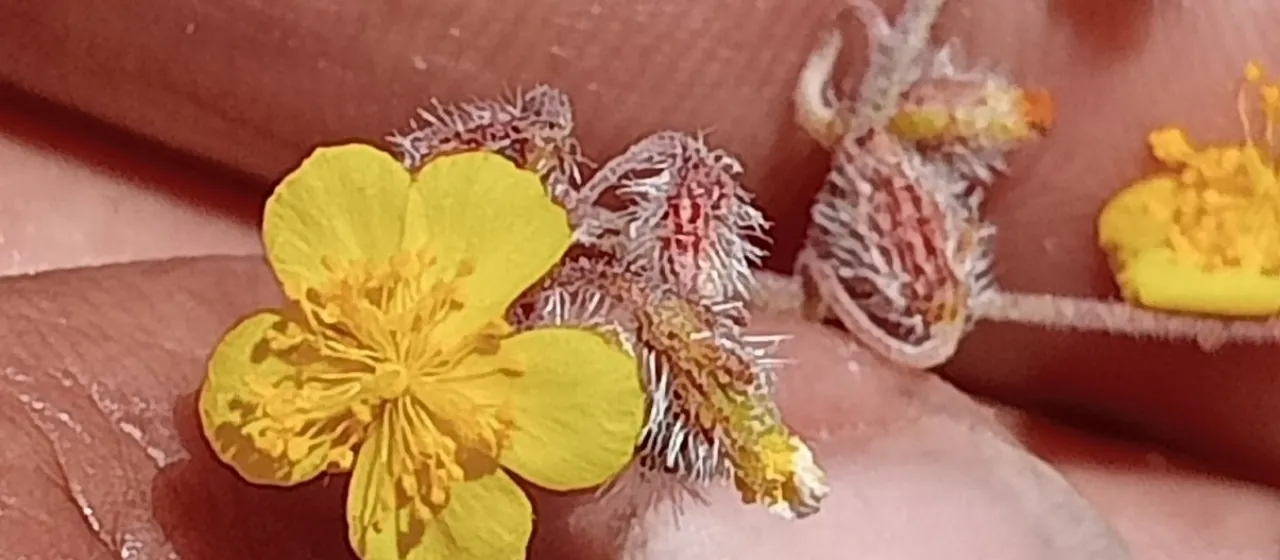
Grey sunrose (Helianthemum cinereum) is a perennial subshrub belonging to the Cistaceae family. Renowned for its resilience, this species is a staple in xeriscaping and sustainable horticulture, thriving in environments where water is limited.
The plant is native to the Mediterranean basin and arid mountainous zones across Southern Europe. Historically and ecologically, it has adapted to harsh limestone outcrops and well-drained rocky terrain, which has shaped its physiological ability to withstand prolonged drought periods.
Botanically, the plant is characterized by its woody base and fine, grey-tinted foliage, which provides a unique texture in garden beds. The flowers are typically yellow or pale pink, blooming profusely during the late spring and early summer months, strictly when exposed to direct sunlight.
Cultivation requirements focus on mimicking its natural habitat. It demands full sun exposure and poor, gritty, or alkaline soil. Heavy, nutrient-rich soils often lead to poor performance, as the plant is extremely susceptible to root rot in waterlogged conditions; therefore, perfect drainage is the most critical factor.
The horticultural applications for this species are diverse, particularly in dry-climate gardening. Key uses include:
- Ground covering for rocky slopes and banks.
- Incorporation into specialized rock gardens.
- Erosion control in arid Mediterranean-style landscapes.
Common issues include fungal infections such as powdery mildew, often triggered by excessive humidity. Pests like aphids and spider mites may occasionally affect the foliage during heatwaves. Maintenance practices, including selective pruning after flowering, are essential to ensure the longevity and health of the plant.