
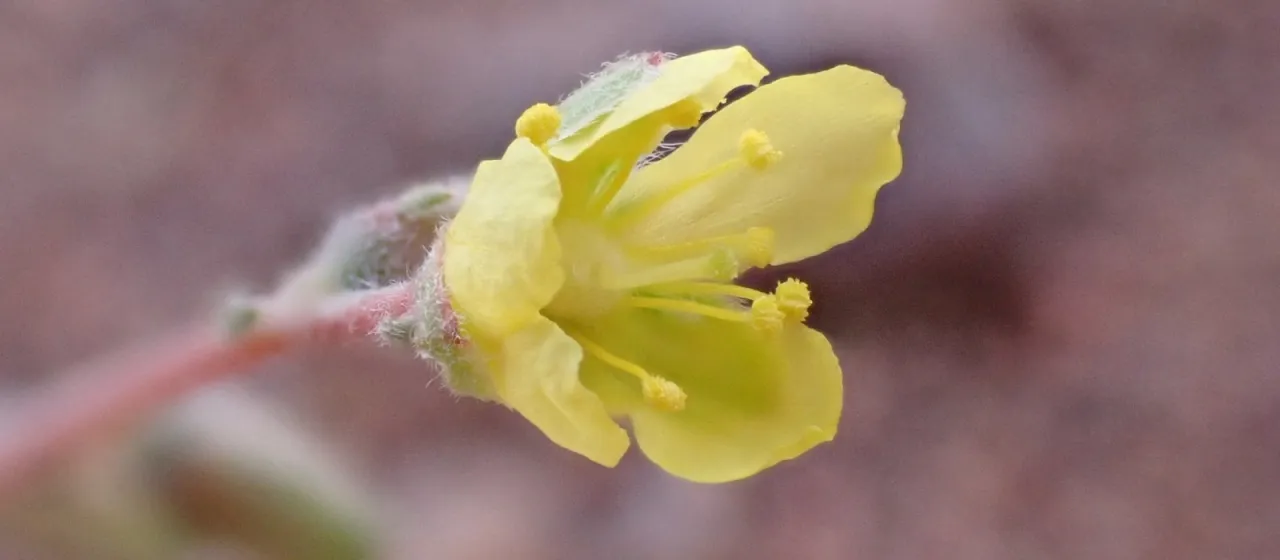
Description
Helianthemum lippii is a perennial subshrub belonging to the Cistaceae family. This species is highly specialized for survival in extreme arid environments, utilizing unique morphological and physiological adaptations to maintain cellular homeostasis despite harsh climatic conditions such as high irradiance and chronic water scarcity.
Its natural distribution is centered in the arid and semi-arid landscapes of Northern Africa, the Middle East, and the Arabian Peninsula. Within these regions, it typically occupies rocky plateaus and sandy habitats, playing a critical role in local vegetation structures where its presence helps mitigate wind erosion and stabilizes loose substrates.
Botanically, the plant is characterized by a compact growth habit, dense foliage covered in trichomes to reduce water loss, and yellow, ephemeral flowers. The root system is significantly developed relative to the above-ground biomass, allowing the plant to tap into subterranean moisture reserves that are inaccessible to shallower-rooted species.
Agricultural practices for this crop focus on xeriscaping and desert restoration. It requires well-drained, sandy, or rocky soils. Waterlogging must be strictly avoided as it acts as a primary stressor leading to root rot. While fertilization is generally not required, initial soil amendment may assist in the establishment of young plants in degraded zones where organic matter is virtually non-existent.
Commercial and ecological utilization includes:
- Sand dune stabilization and land reclamation;
- Extraction of essential compounds for medicinal and laboratory research;
- Sustainable landscaping in drought-prone geographic zones;
- Forage contribution for resilient livestock grazing systems.
Disease management for Helianthemum lippii is primarily focused on drainage efficiency. Because it is highly adapted to dry environments, it remains susceptible to fungal pathogens if exposed to excessive humidity. Pest management is usually unnecessary, as the plant's chemical defenses provide significant protection against generalist herbivores and agricultural insects.