
Description
Helianthemum sanguineum, commonly known as the blood-red rock rose, is a perennial flowering plant belonging to the Cistaceae family. While not a conventional food crop, it holds significant value in horticulture and sustainable landscaping, particularly for gardens designed to withstand arid conditions with minimal maintenance.
The origin of this species traces back to the rocky, calcareous slopes of the Mediterranean Basin and the Middle East. It has evolved to survive in environments characterized by intense solar radiation, high temperatures, and very limited precipitation, making it an extremely resilient species for specific agricultural and horticultural applications.
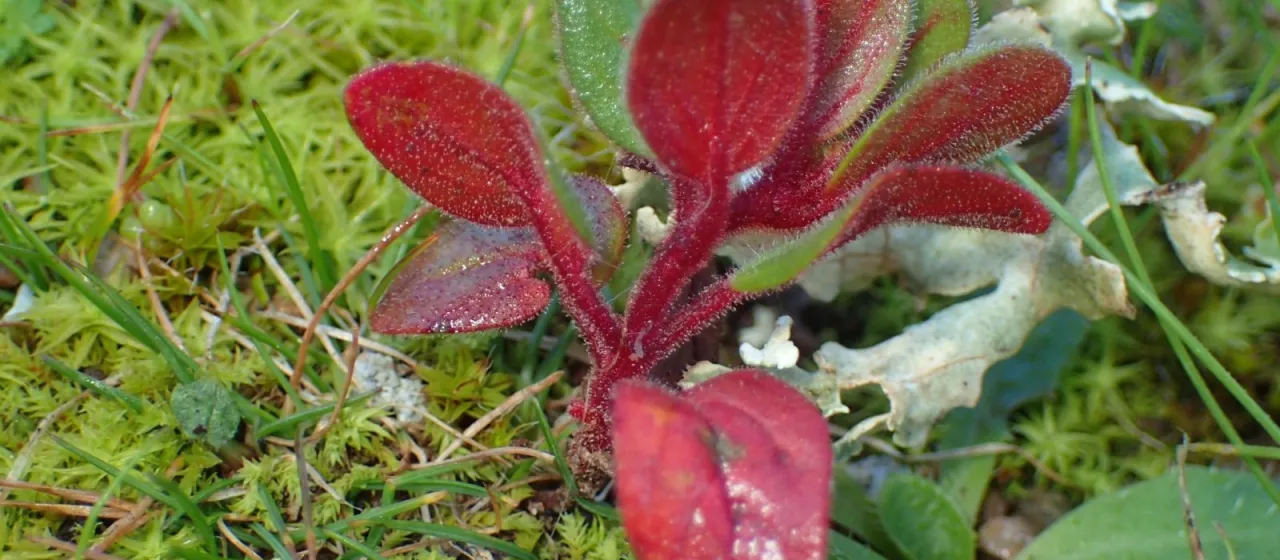
Botanically, it is recognized by its shrubby, low-growing habit and woody base. The foliage is typically evergreen or semi-evergreen, often covered with fine hairs that reflect sunlight and reduce water loss. The flowers are striking, typically possessing five delicate petals in shades of deep red or crimson, which appear in abundance during late spring and early summer.
Cultivation requirements are strict regarding drainage and light. To successfully propagate Helianthemum sanguineum, growers must ensure a full-sun exposure and a well-draining, slightly alkaline soil composition. It is essential to avoid sites prone to waterlogging, as the root system is highly sensitive to hypoxia and fungal decay when exposed to excess moisture.
In terms of usage, it serves as a premier groundcover for erosion control on slopes and as a structural element in rock gardens. While generally robust, the plant is susceptible to common garden pests such as aphids and spider mites. Pathological issues are usually limited to powdery mildew or crown rot, both of which can be effectively mitigated through proper soil preparation and by avoiding overhead irrigation.