
Description
Sulphur rockrose (Latin: Helianthemum sulphureum) is a perennial subshrub belonging to the Cistaceae family. Known for its resilient nature and vivid yellow flowers, this plant has gained significant popularity in professional landscaping as a decorative ground cover, especially in dry and challenging environmental conditions.
Originating from Mediterranean regions and Southern Europe, the plant is naturally adapted to rocky terrains and arid climates. Its evolution in harsh environments has granted it exceptional drought tolerance and an ability to thrive in poor, rocky soils where other traditional ornamental plants would fail to establish deep roots.
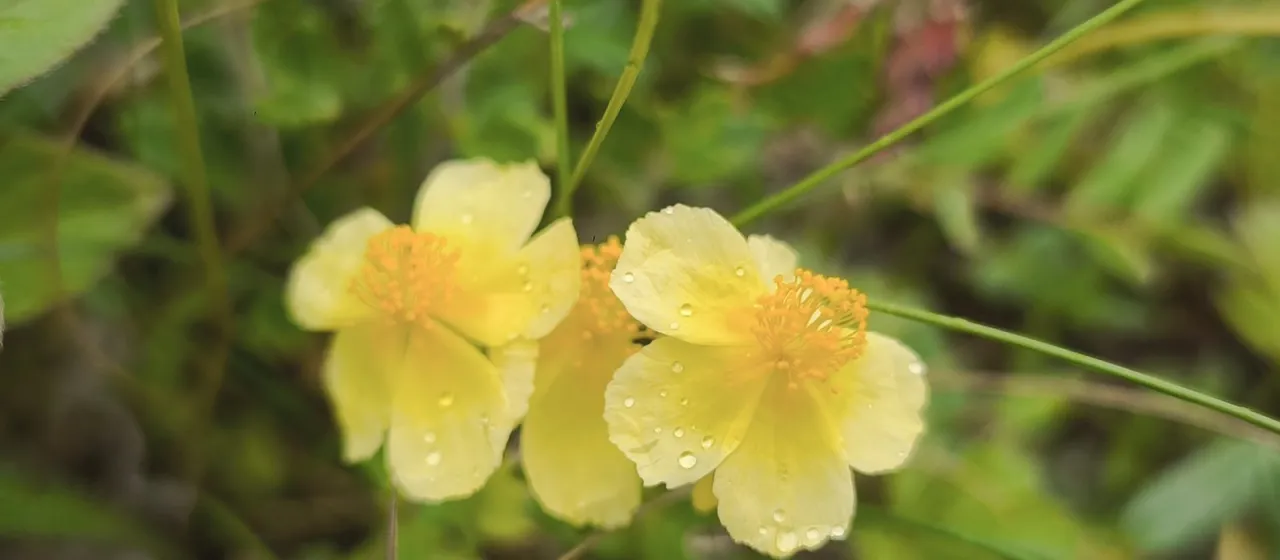
Botanically, the plant features semi-woody stems and small, often pubescent leaves that assist in water retention. The characteristic sulphur-yellow blossoms open in response to sunlight, covering the plant in a vibrant display during the late spring and summer months. The growth habit is typically spreading, making it an excellent candidate for slope stabilization.
Agronomic requirements are focused on high light exposure and superior drainage. Helianthemum sulphureum thrives in sandy, well-draining soils with a neutral to slightly alkaline pH. It is essential to avoid waterlogged conditions, as excess soil moisture can lead to root rot. Occasional pruning after the flowering season is vital to maintain a dense, compact shape and encourage secondary blooms.
- Excellent performance in xeriscaping and low-water garden designs.
- Prefers full sun exposure to maintain vigorous growth.
- Adapted to nutrient-poor substrates, requiring minimal fertilization.
- Requires protection from winter moisture saturation in cooler climates.
In terms of usage, the sulphur rockrose is utilized primarily in rock gardens, embankments, and as a border plant. It is generally resistant to most pests; however, growers should remain vigilant against mildew if planting density is too high, which prevents proper airflow. Keeping the plants well-spaced ensures long-term health and seasonal vitality.