
Description
Heteranthera callifolia is an intriguing aquatic plant species belonging to the family Pontederiaceae. Recognized for its structural elegance, this plant functions as a significant botanical subject within its native habitats and cultivated environments, demonstrating a high degree of versatility in aquatic ecosystem management.
The species originates from the tropical regions of Africa and parts of South America, where it thrives in wetlands, marshes, and slow-moving water bodies. Its evolutionary history has endowed it with the ability to withstand varying water levels, allowing it to colonize diverse ecological niches ranging from completely submerged zones to damp, muddy riverbanks.
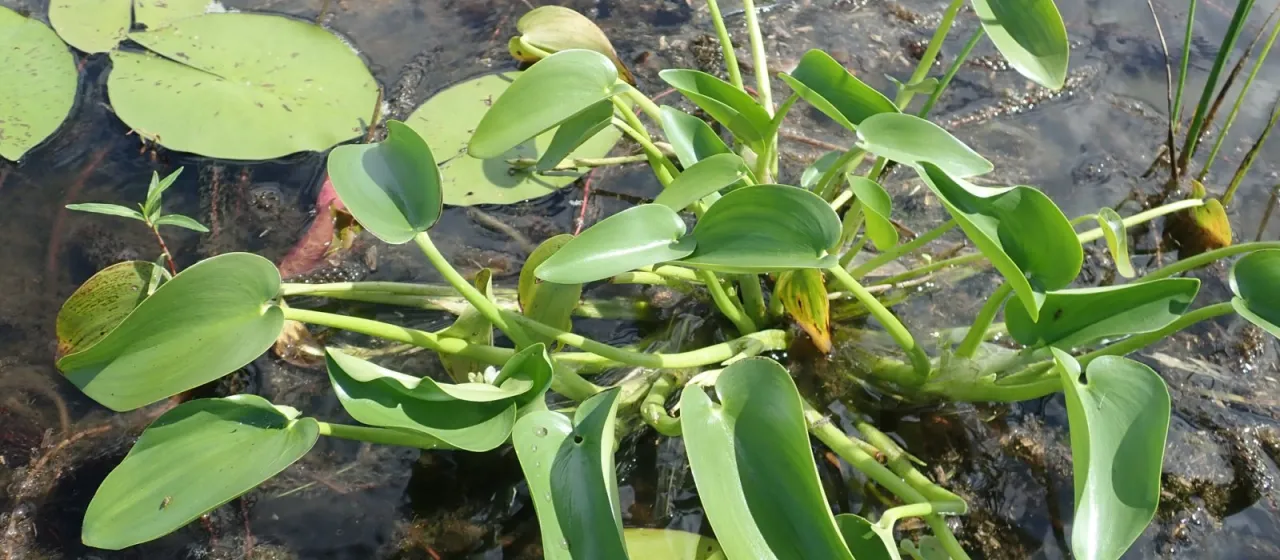
Botanically, the plant is characterized by its distinct, often heart-shaped leaves supported by sturdy petioles. It exhibits a creeping habit, developing roots at the nodes, which facilitates rapid vegetative propagation. The reproductive phase produces small, spike-like inflorescences that emerge above the water surface, showcasing delicate blue to violet flowers typical of the genus.
Agronomically, success with Heteranthera callifolia requires a strictly controlled environment. It demands high-intensity lighting and a nutrient-rich substrate, typically composed of fine silt or organic-enriched aquarium soil. Ambient temperatures should remain between 22°C and 28°C to promote optimal growth rates and to maintain the physiological integrity of the leaf tissues.
In terms of хозяйственное (economic/practical) use, it is highly valued in the aquarium hobby and ornamental pond landscaping. While it is relatively robust, growers must monitor for common issues such as nutrient deficiencies, which manifest as chlorosis, or infestations by aquatic pests like snails or aphids. Regular pruning is essential to prevent the plant from dominating smaller spaces and to ensure adequate water circulation around the root zone.