
Description
Mud plantain (Heteranthera limosa) is an annual aquatic plant classified within the Pontederiaceae family. While often categorized as a weed in agricultural settings, particularly in rice paddies, it possesses significant botanical interest due to its physiological adaptation to wetland ecosystems and ephemeral water bodies, allowing it to thrive where other plants may struggle.
Originating from tropical and subtropical regions of the Americas, this plant is widespread across North, Central, and South America. Its native habitat consists of mudflats, shallow ponds, and temporary pools. Through human activity and irrigation networks, it has established itself in various agricultural regions worldwide, often adapting to the managed environments of rice fields where it becomes a competing species.
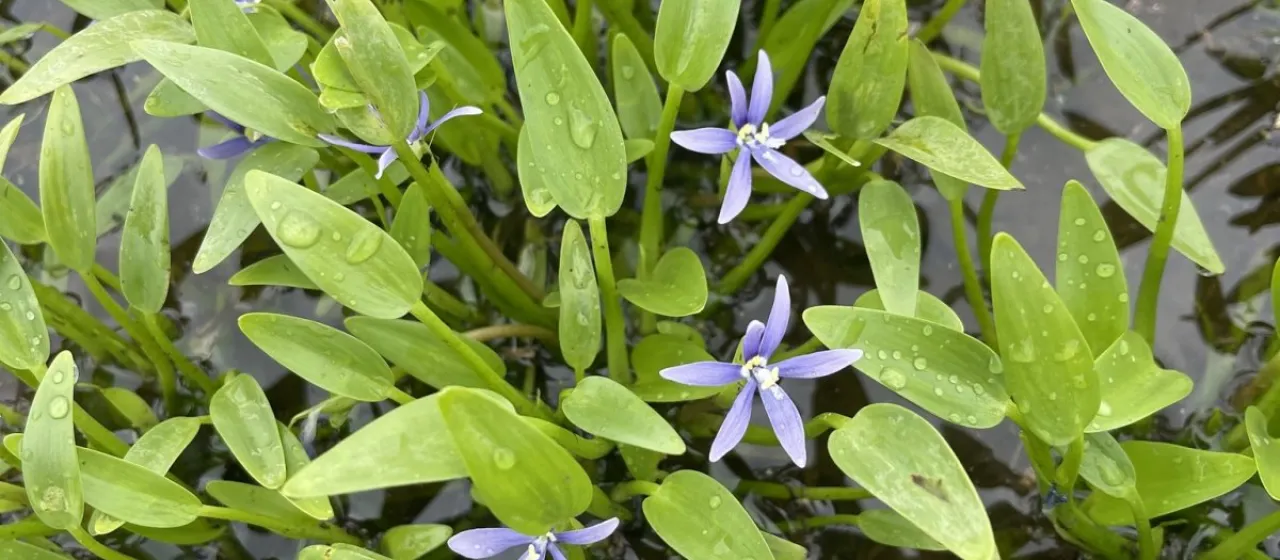
The botanical structure of the plant is characterized by a rosette of leaves and succulent stems that can either float or stand erect depending on water depth. It produces distinct, attractive blue or white flowers that typically bloom during periods of high light intensity. The root system is shallow, anchored primarily in the muddy substrate, which allows the plant to extract nutrients efficiently from nutrient-rich sediments.
In terms of agricultural requirements, the plant demands warm, shallow water and high moisture levels in the soil substrate. It is highly sensitive to extreme cold and drought. Modern agrotechnical management focuses on reducing the competitive pressure of this species on grain crops. Strategies often involve precision water management, such as controlled drainage, and the application of aquatic herbicides developed specifically for narrow-leaved or broad-leaved aquatic weeds.
The economic role of mud plantain is predominantly defined by its impact on agricultural productivity. While not commercially farmed, it is sometimes utilized in ornamental pond management. Common pests and diseases include various waterborne fungi and insects that specialize in aquatic plant tissues. Further research into its ecological footprint is essential for developing sustainable management practices in areas where it interferes with primary crop production.