
Description
Stargrass (Heteranthera zosterifolia) is a perennial aquatic plant belonging to the family Pontederiaceae. Highly popular in the hobby of aquascaping, this species is valued for its delicate, bright green foliage and its rapid growth rate, which allows it to form dense, bush-like structures in freshwater systems.
The plant originates from the tropical regions of South America, specifically the Amazon basin and swampy areas in Brazil. In its natural habitat, it thrives in slow-moving or stagnant waters, often spreading across the surface or rooting into the substrate of shallow wetlands, displaying a remarkable adaptability to changing environmental conditions.
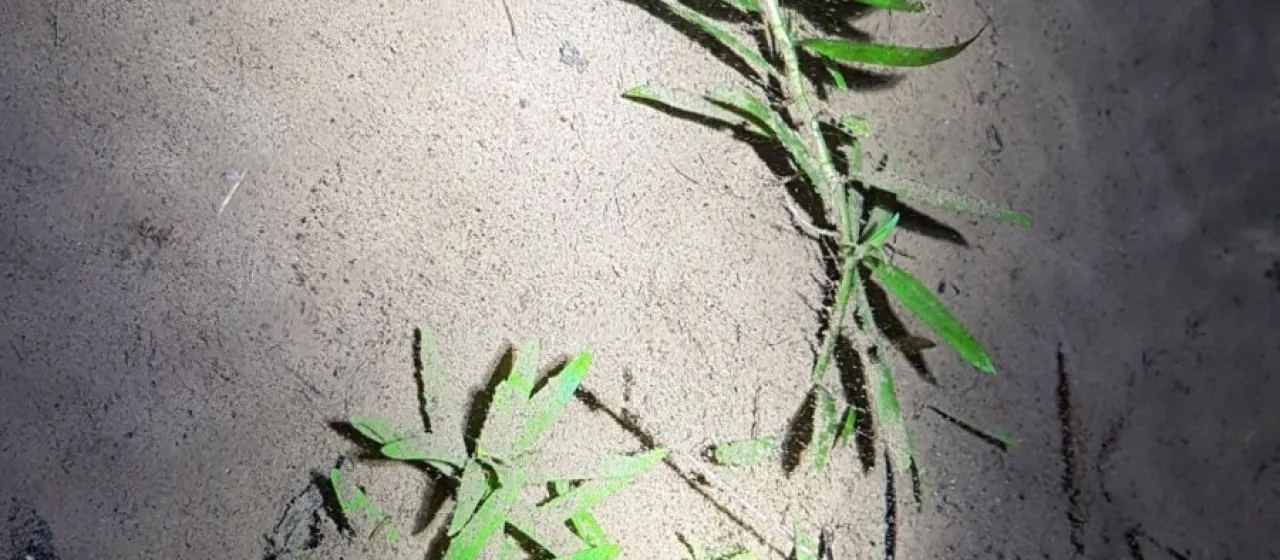
Botanically, the plant features long, branching stems with alternate, lance-shaped leaves that can reach lengths of several centimeters. Under high-intensity lighting, the plant branches prolifically, creating a bushy appearance. When it grows emersed in damp conditions, it may produce small, aesthetically pleasing blue or white flowers on terminal spikes.
To achieve optimal growth, the species requires intense light (0.5–1.0 watts per liter) and a consistent supply of CO2 fertilization. It prefers soft to medium-hard water with temperatures ranging from 22°C to 28°C. A nutrient-rich substrate is essential for the development of its root system, as the plant actively absorbs minerals to sustain its rapid development.
The commercial and aesthetic utility of Stargrass lies in its unique visual impact. Key benefits for aquatic gardening include:
- Exceptional growth rate that helps stabilize the biological balance.
- Versatility in design, being suitable for foreground and midground layering.
- Ease of propagation through simple stem cuttings.
- Ability to serve as a fast-growing nutrient sink in high-tech setups.
Common issues during cultivation usually relate to nutrient deficiencies, particularly iron, which can cause leaves to yellow or die back. While the plant is generally resilient, it can be susceptible to algae encroachment if light and CO2 levels are unbalanced. Proper pruning is necessary to maintain the shape and prevent lower sections of the stems from becoming shaded and rotting.