
Description
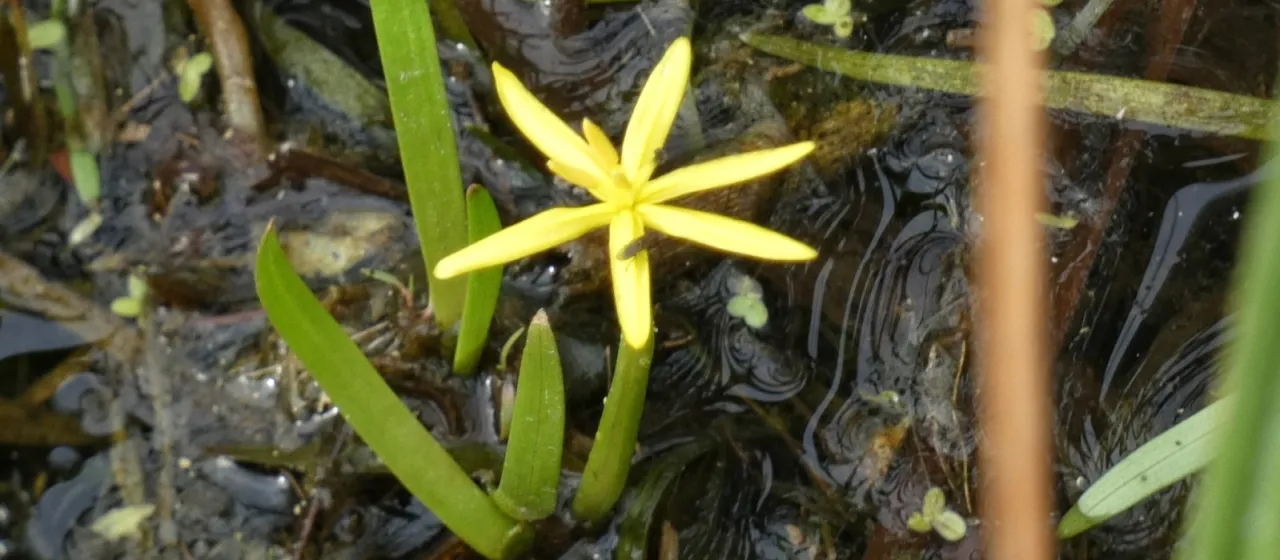
Water stargrass (Heteranthera dubia) is an aquatic perennial plant belonging to the Pontederiaceae family. Commonly known for its star-like appearance when reaching the water surface, this species is highly valued for its versatility in freshwater habitats. It is technically a submerged macrophyte that can adapt to varying light and nutrient conditions.
The plant is native to North and Central America, where it thrives in ponds, streams, and slow-moving rivers. It is frequently found in areas with sandy or muddy substrates. Its natural range has expanded through human intervention, as it is widely cultivated for both ornamental and ecological purposes in various regions worldwide.
Botanically, Heteranthera dubia features elongated, slender stems with narrow, alternating leaves. The root system is relatively rudimentary, as the plant primarily derives nutrition from the water column. When conditions are optimal, it produces delicate yellow flowers that bloom at the water surface, providing a distinctive aesthetic appeal to aquatic landscapes.
- Requires high-intensity lighting for healthy growth.
- Thrives in temperatures between 20°C and 26°C.
- Responds well to CO2 supplementation and liquid fertilizers.
- Prone to leaf decay if water flow is insufficient.
In terms of agricultural and horticultural use, it is a staple in the aquarium hobby and for aquatic garden design. It serves as an excellent oxygenator and provides cover for fish fry. Proper maintenance involves regular trimming to prevent the plant from becoming invasive in small systems. Key diseases include nutrient deficiency (chlorosis) or fungal infections caused by poor water quality.