
Description
Hypecoum littorale is an annual herbaceous plant belonging to the Papaveraceae family. It is a specialized botanical subject that often attracts interest due to its unique evolutionary adaptations to coastal habitats. In current taxonomic systems, it is recognized as a distinct species that thrives in challenging, nutrient-poor environments.
The origin of this species is linked to the Mediterranean basin, specifically the coastal sandy regions. Its natural range includes the littoral zones where the soil composition is primarily sand, combined with salt spray exposure. Understanding this native habitat is essential for any attempt to introduce the species into controlled agricultural or research settings.
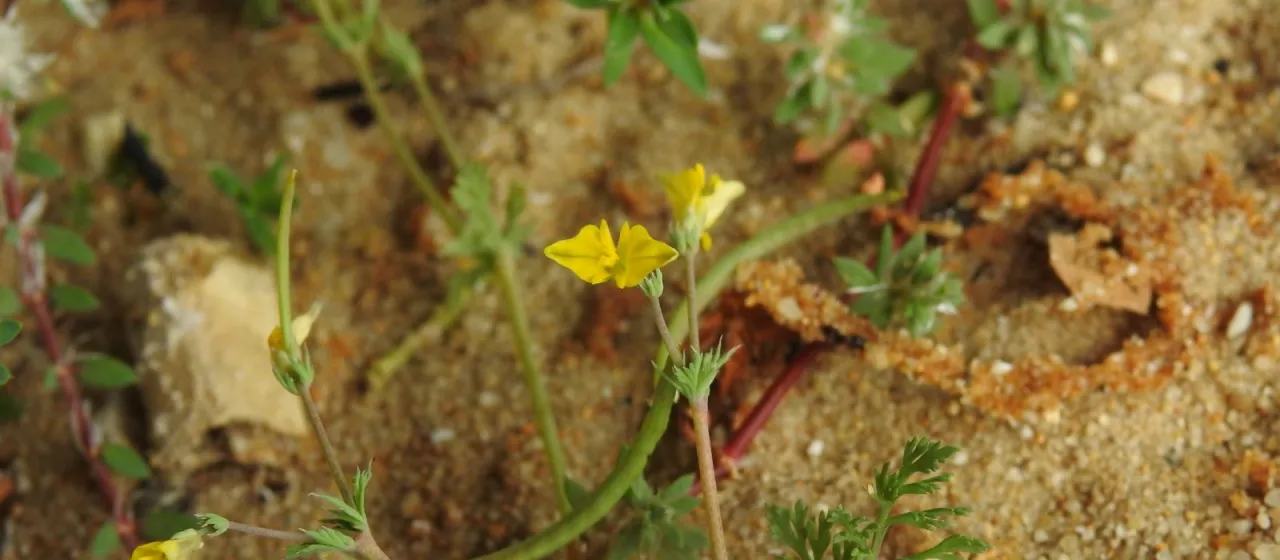
Botanically, the plant features a rosette of glaucous, deeply divided leaves and upright stems that typically reach a height of 20 to 30 centimeters. The flowers are small, yellow, and exhibit a sophisticated mechanism designed for insect pollination. The fruit consists of a segmented pod which, upon drying, fragments to facilitate seed dispersal across the sandy surface.
Agronomic requirements for Hypecoum littorale are quite specific: it demands extremely well-drained, sandy soil with minimal moisture retention. The plant is essentially a xerophyte; therefore, excessive irrigation is detrimental to its root system, often leading to rot. Cultivation success is maximized in regions with high solar radiation and low relative humidity, mimicking its native arid climate.
The potential хозяйственное (economic) use of this plant lies in the extraction of biologically active compounds. The Papaveraceae family is well-known for its rich alkaloid profile, and Hypecoum littorale is no exception, serving as a subject for biochemical research. Common plant health issues include root fungal infections if drainage is poor, and occasional infestations by aphids or similar sucking insects during the early growth stages.