
Candytuft
Iberis sempervirens L.
Description
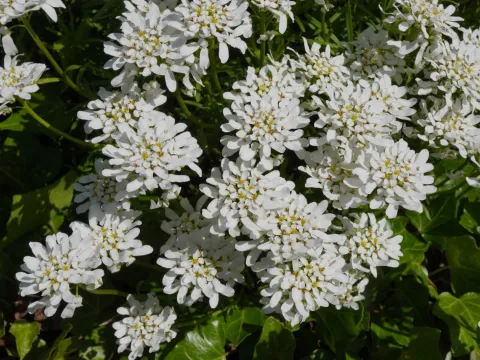
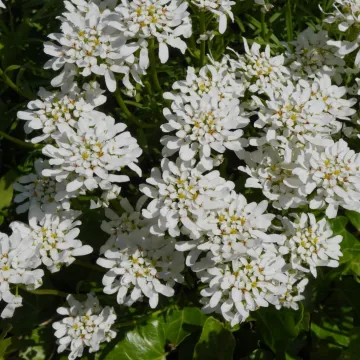
Iberis sempervirens, commonly known as evergreen candytuft, is a perennial subshrub belonging to the Brassicaceae family. It is widely cultivated for its evergreen, leathery foliage and prolific white flower clusters that appear in late spring, creating a striking visual impact in various landscape settings.
Originating from the mountainous regions of Southern Europe and the Mediterranean, this plant is well-adapted to rocky and well-drained environments. Its natural habitat dictates its physiological needs, making it a robust and reliable choice for gardeners in temperate climates across the globe.
Botanically, the plant grows in a low-mounded habit, reaching heights of approximately 20 to 40 centimeters. The leaves are narrow, evergreen, and lanceolate, ensuring that the plant provides structural interest in the garden even during the dormant winter months. The inflorescences are dense, flat-topped racemes that emerge en masse during the blooming season.
Successful cultivation requires a sunny location with well-draining soil, preferably with a slightly alkaline pH. Iberis sempervirens is notably drought-tolerant once established, though it thrives best in moderate conditions. Overwatering or planting in heavy, clay-based soils that retain moisture can lead to root rot, which is the primary challenge in managing this species.
Maintenance practices involve deadheading the spent flower heads to promote vigor and potentially a secondary flush of blooms later in the season. Regarding pest and disease control, growers should monitor for flea beetles, which can damage the leaves, and ensure adequate airflow to mitigate the risk of fungal infections in damp, poorly ventilated areas.
Photo gallery