Japanese holly
Ilex crenata x Ilex maximowicziana var. kanehirae
Description
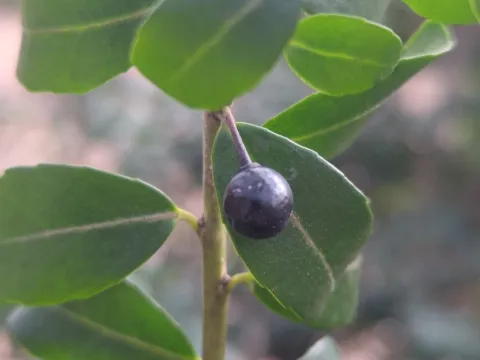
Japanese holly (Ilex crenata) is a prominent evergreen shrub belonging to the Aquifoliaceae family. Renowned for its small, boxwood-like leaves and dense growth habit, it has become a staple in professional horticulture and nursery production, especially in regions where boxwood blight is a significant concern.
Native to East Asia, including Japan, Korea, and China, the plant thrives in temperate climates with high humidity. Its natural habitat includes mountain slopes and damp forest edges. In commercial cultivation, it is prized for its year-round structural interest and ability to withstand varied environmental conditions if provided with adequate moisture.
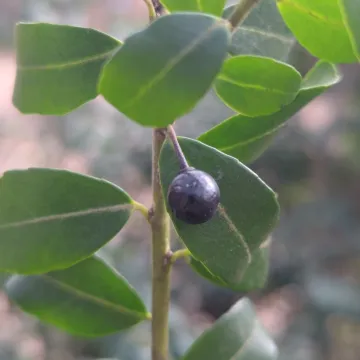
Botanically, the species is characterized by its evergreen, alternate, crenate-margined leaves. It is a dioecious plant, meaning that individual specimens are either male or female. This trait is essential for growers to consider when planting, especially if fruit production is desired for aesthetic purposes, as cross-pollination between genders is necessary.
Regarding cultivation requirements, the plant demands well-draining, slightly acidic soil. It does not tolerate waterlogged sites or high alkalinity, which often leads to chlorosis. Routine agronomic practices include applying organic mulch to preserve soil moisture, light pruning to maintain desired architecture, and targeted fertilizing during the active growth phase in early spring.
The main commercial and landscape applications for Japanese holly include:
- Construction of formal, low-growing hedges.
- Detailed topiary work and hedge carving.
- Use as a focal point in Zen or rock gardens.
- Container gardening and urban landscape installations.
Pest management is crucial for maintaining plant health. Typical issues involve infestations of scale insects, mites, or whiteflies, which can be mitigated through integrated pest management (IPM) strategies. Pathological problems, such as root rot caused by Phytophthora, occur primarily in poorly aerated soils, highlighting the necessity of proper site selection and drainage management.
Photo gallery