
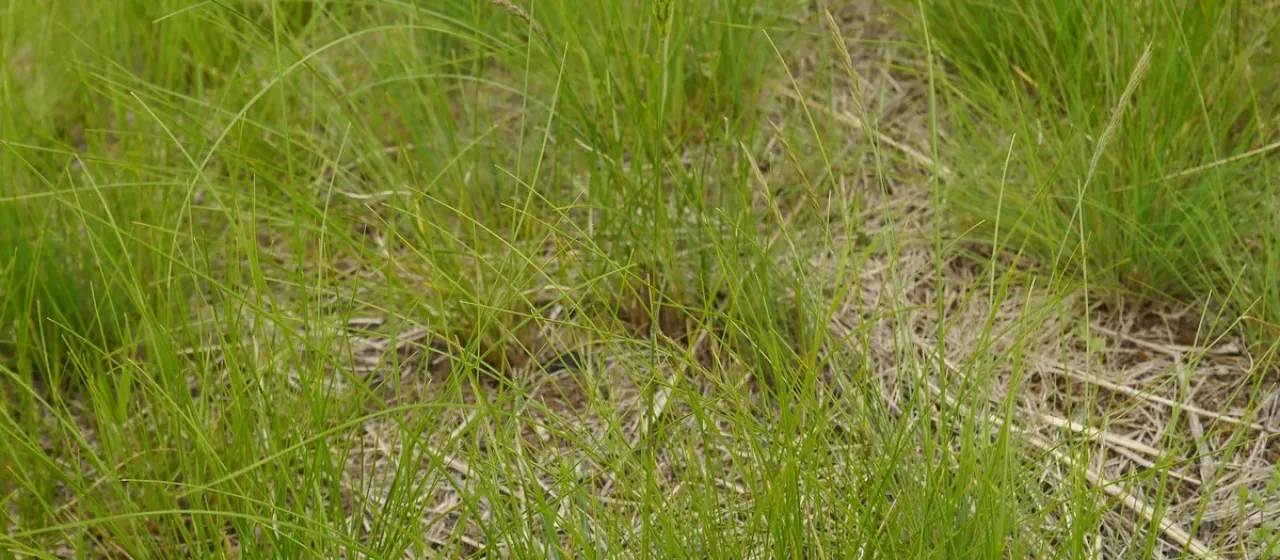
Description
Koeleria brevis is a perennial grass species belonging to the Poaceae family. This crop is recognized for its exceptional ability to thrive in arid and semi-arid environments, making it a valuable subject for agricultural studies focused on restoring depleted grasslands and managing pastures in regions where water availability is a limiting factor.
The native range of this species extends across various Eurasian steppe habitats, where it has evolved to withstand extreme temperature fluctuations and significant drought periods. Its evolutionary history is deeply linked to the development of resilient herbaceous plant communities capable of surviving on poor, stony, or alkaline soils where traditional forage crops might fail.
Botanically, Koeleria brevis is characterized by a dense tufted growth habit and narrow, often folded leaves designed to minimize water transpiration. Its root system is fibrous and deep-reaching, allowing the plant to tap into subsurface moisture reserves. This anatomical specialization provides the grass with a competitive advantage in environments characterized by long, rainless intervals.
From an agrotechnical perspective, this crop requires minimal intervention once established. It thrives in well-drained, light-textured soils. Successful cultivation requires careful site preparation to reduce weed pressure during the establishment phase, as the seedlings demonstrate relatively slow initial growth before transitioning into a more vigorous perennial stage.
In terms of хозяйственное usage, it is primarily employed in sustainable pasture management systems. Its persistence under grazing pressure and its ability to recover quickly after mowing make it a reliable component for forage mixes. Typical phytosanitary issues include rust fungi and cereal flies; however, proactive field management and correct sowing density significantly reduce the risk of crop damage.