
Description
Delavigne's koeleria (Koeleria delavignei) is a perennial grass species belonging to the Poaceae family. In agriculture, it is recognized as a hardy forage crop capable of thriving in harsh environmental conditions. The plant forms compact, dense tufts, which play a crucial role in preventing soil erosion and improving the structural integrity of pastures.
The species originates from the steppe and forest-steppe regions of Eurasia. Its natural range includes dry meadows, rocky plains, and sun-exposed slopes. Due to its evolutionary adaptation to extreme temperature fluctuations and water scarcity, it serves as an excellent candidate for agricultural land in regions characterized by a continental climate.
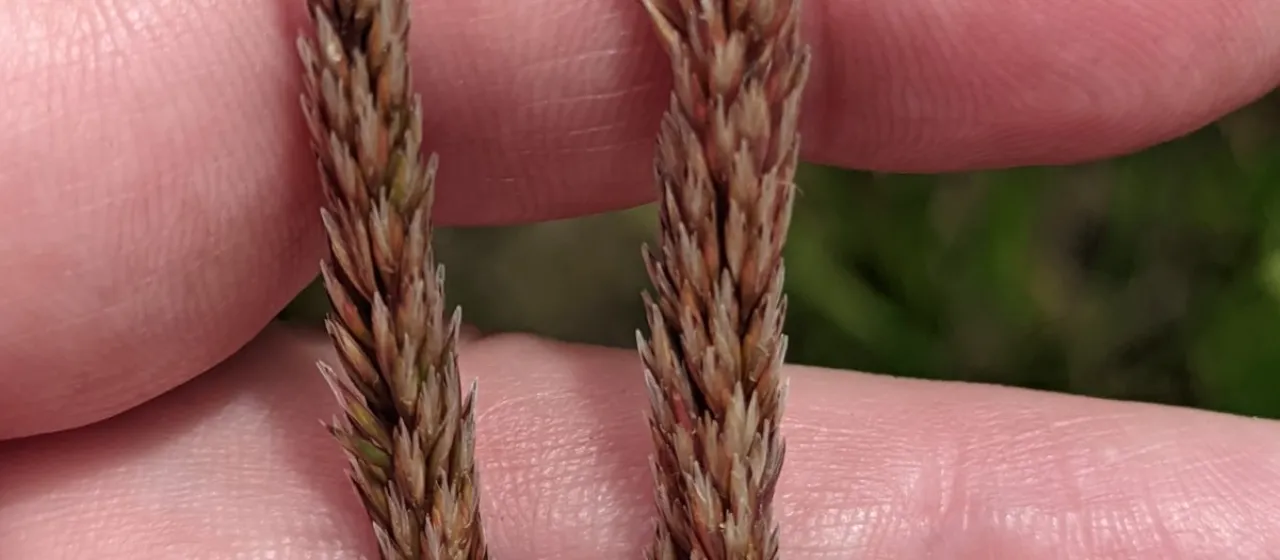
Botanically, the plant is characterized by narrow, often involute leaves covered with fine pubescence. Its root system is deep and fibrous, allowing it to remain productive even during periods of moderate drought. The inflorescence consists of a dense, spikelike panicle that matures into seeds, which are vital for natural regeneration and controlled seeding programs in agricultural settings.
Agricultural management requires attention to soil drainage and sun exposure. While the crop is relatively undemanding, it performs best on light to medium-textured soils. Successful cultivation involves careful preparation of the seedbed and managed grazing or mowing schedules, which allow the root system to recover, ensuring the longevity of the stand over several seasons.
The primary agricultural applications of this species are centered on livestock production and land management:
- Provision of high-quality forage for grazing cattle and sheep.
- Production of nutrient-rich hay for winter storage.
- Usage in ecological restoration projects to stabilize sloping terrain.
The crop is susceptible to standard grass diseases, including rusts and powdery mildew, which are more prevalent in high-humidity environments. Common pests include cereal leaf beetles and aphids that can affect foliage density. Prevention focuses on maintaining optimal plant spacing, regular field monitoring, and integrated pest management strategies to protect the crop's vigor.