
Description
Koeleria capensis is a perennial grass species belonging to the Poaceae family. Recognized for its remarkable resilience, this plant is an essential component of many grasslands and is frequently studied for its role in sustainable agricultural and rangeland management.
The species has a broad geographical distribution, native to parts of Africa, Europe, and Asia. It is particularly well-adapted to steppe ecosystems, rocky outcrops, and well-drained meadows, where it thrives despite irregular rainfall and extreme temperature fluctuations throughout the growing season.
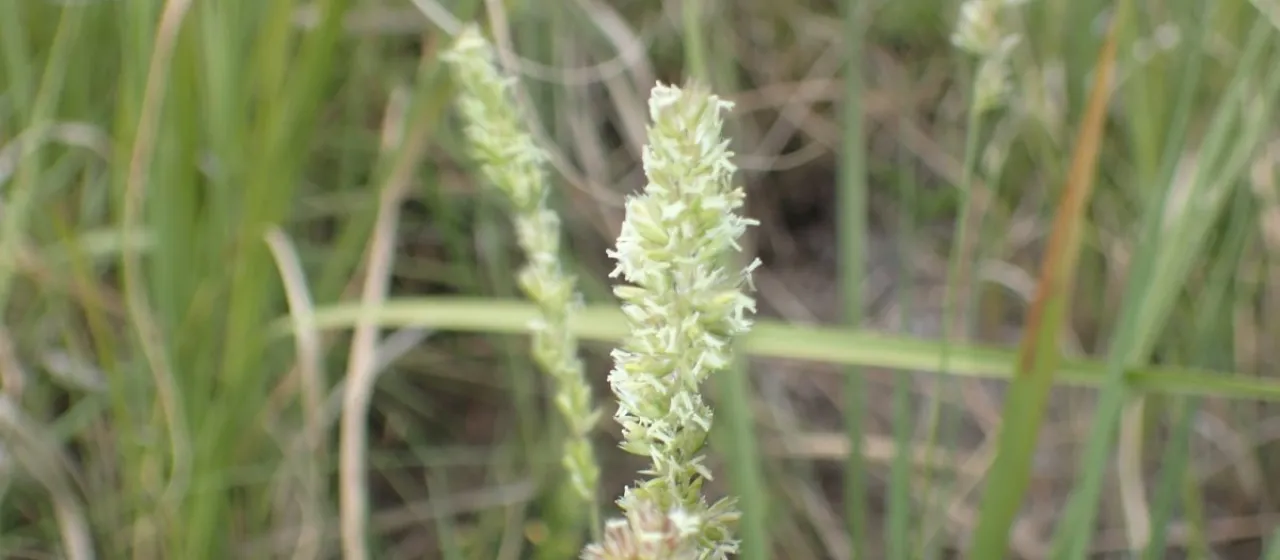
Botanically, Koeleria capensis forms dense, tufted bunches, which is an evolutionary adaptation for resource conservation. The leaves are typically narrow and may appear glaucous or grayish-green. The inflorescence is a dense, spike-like panicle that becomes more cylindrical as the plant matures, bearing small, wind-pollinated flowers.
Regarding soil and climatic requirements, the plant prefers sunny locations with well-drained, sandy, or gravelly soils. It is highly valued for its drought tolerance and cold hardiness, making it an excellent candidate for regions where water resources are limited and irrigation is not feasible. Proper field establishment requires adequate soil preparation to ensure good seed-to-soil contact.
Agricultural and economic uses of this species include:
- Providing high-quality forage for livestock, particularly in early spring and autumn.
- Improving soil structure and preventing wind erosion in sensitive agricultural areas.
- Serving as a key component in ecological restoration projects for rangelands.
- Supporting biodiversity by providing habitat for beneficial insects.
Common health issues in cultivation include fungal pathogens like rusts and powdery mildew, which typically occur during humid seasons. Pests such as stem-boring insects and cereal aphids can occasionally impact productivity; therefore, implementing integrated pest management strategies, such as monitoring and maintaining appropriate stocking rates in grazing areas, is recommended.